


 русский
 Español
Heat treatment is a controlled thermal process that changes the mechanical properties of metal by heating it to a specific temperature, holding it there, and then cooling it at a rate chosen to produce a desired internal structur...
READ MORE
What Does CNC Mean in Manufacturing? | CNC Meaning, Machines, and Uses
Content
- 1 What Does CNC Mean in Manufacturing?
- 2 How a CNC Machine Actually Works
- 3 The Main Types of CNC Machines
- 4 CNC Axes: 3-Axis vs 4-Axis vs 5-Axis
- 5 Precision and Tolerances in CNC Machining
- 6 Materials That CNC Machines Can Process
- 7 Why Manufacturers Choose CNC: Benefits and Limitations
- 8 Where CNC Machining Is Used in Manufacturing
- 9 How to Choose the Right CNC Machine
- 10 Frequently Asked Questions About CNC in Manufacturing
- 10.1 What does CNC stand for in manufacturing?
- 10.2 What is the difference between CNC and manual machining?
- 10.3 What are G-code and M-code?
- 10.4 What tolerance can a CNC machine hold?
- 10.5 Is CNC machining only for metal parts?
- 10.6 What is 5-axis CNC machining used for?
- 10.7 What is EDM in CNC manufacturing?
What Does CNC Mean in Manufacturing?
CNC stands for Computer Numerical Control. In manufacturing, this term describes machining equipment that is operated by a computer program rather than by manual handwheels and levers. The computer reads a part program, interprets each line of code, and controls the movement of the machine axes, the spindle speed, and auxiliary functions such as coolant supply and automatic tool changes. If you see the letters "CNC" on a spec sheet, it means the machine can execute machining operations automatically once a program is loaded.
The direct answer to the question is simple: CNC means the machine itself decides where the tool goes, how fast it moves, and when to cut, based on a pre-written set of instructions. This is different from conventional machining, where a machinist moves the slides by hand and feeds the tool into the workpiece manually. With CNC, a part that takes forty minutes to set up and program can then be reproduced exactly the same way for the next thousand parts.
That shift changes the entire logic of a workshop. Once the program has been proven, the machine holds position with far better repeatability than a skilled operator can. The machinist's role moves from turning handles to writing programs, choosing tooling, designing fixtures, and supervising the process. In practice, CNC is not just a control system; it is the reason modern manufacturers can deliver identical components in large quantities at a predictable quality level.
How a CNC Machine Actually Works
Understanding what CNC means in manufacturing is easier when you follow the steps a part goes through from design to finished component. Four stages are involved: design, programming, post-processing, and execution. Each stage has a clear responsibility, and the quality of the final part depends on all four being done correctly.
From CAD Model to Cutting Tool
The process begins with a CAD (Computer-Aided Design) model of the workpiece. The CAD file contains the geometry: dimensions, holes, pockets, contours, and surface details. Next, CAM (Computer-Aided Manufacturing) software takes that geometry and calculates toolpaths. These toolpaths define how a specific cutter will move to remove material. A post-processor then translates the CAM toolpath into a language the machine controller understands, typically G-code and M-code.
G-Code and M-Code: The Language of CNC
G-code controls geometry and motion. Commands such as G00 (rapid positioning), G01 (linear feed), and G02/G03 (arc interpolation) tell the machine where to move and how to cut. M-code controls machine functions: M03 turns the spindle on clockwise, M08 switches on coolant, and M06 performs a tool change. A typical program contains both types of code in sequence, and the controller executes each line in order, syncing motion with spindle speed and coolant flow.
Once the program runs, the machine's controller sends electrical pulses to servo motors on each axis. Encoders on the motors continuously report actual position back to the controller. If the machine drifts from the programmed path by even a small amount, the controller corrects the drive. This closed-loop feedback is the core reason CNC machines hold tolerances that manual machining cannot reliably match.
The Main Types of CNC Machines
CNC is an umbrella term, not a single type of equipment. The control technology can be applied to almost any machining process. In a typical manufacturing facility, you will encounter seven main categories, each built to solve a different problem.
Vertical Machining Centers and Hard-Rail Machines
A vertical machining center (VMC) is the most common CNC mill. The spindle is oriented vertically, and the workpiece is clamped to a table that moves in the X and Y axes while the spindle moves in Z. VMCs are used for plates, housings, brackets, mold inserts, and general components. Machines with hardened guideways, often called hard-rail machines, provide high rigidity for heavy steel and cast iron cutting. An example at this level is the VMC850L high-speed 3-axis vertical machining center, which handles mold machining and medium-size precision parts with a fast spindle response.
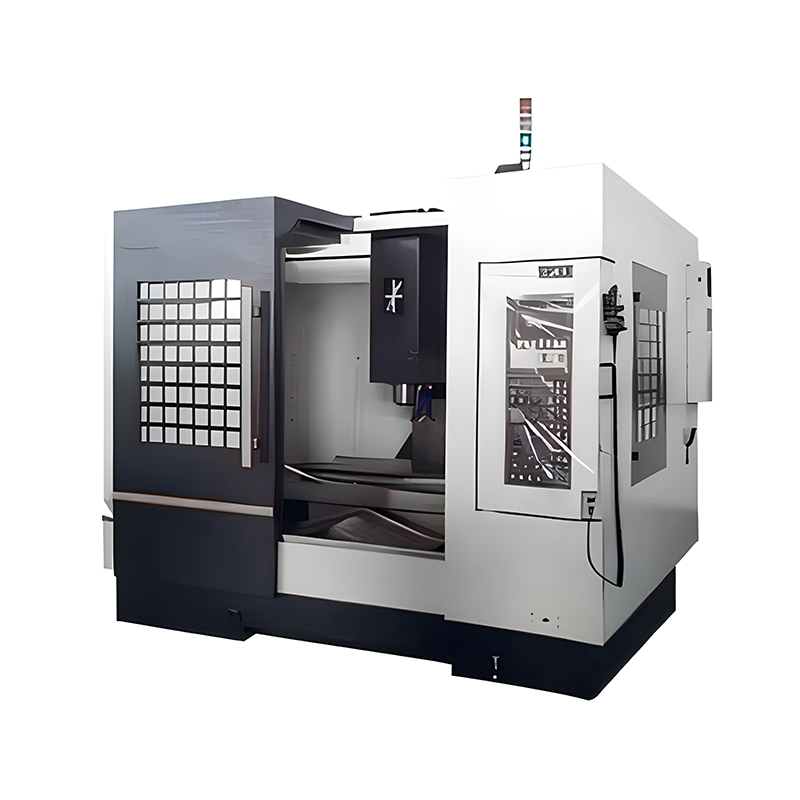 3-Axis, 5-Axis CNC Vertical Machining CenterThe three-axis rail ...View Product →
Gantry Milling Machines and CNC Engraving/Milling Machines
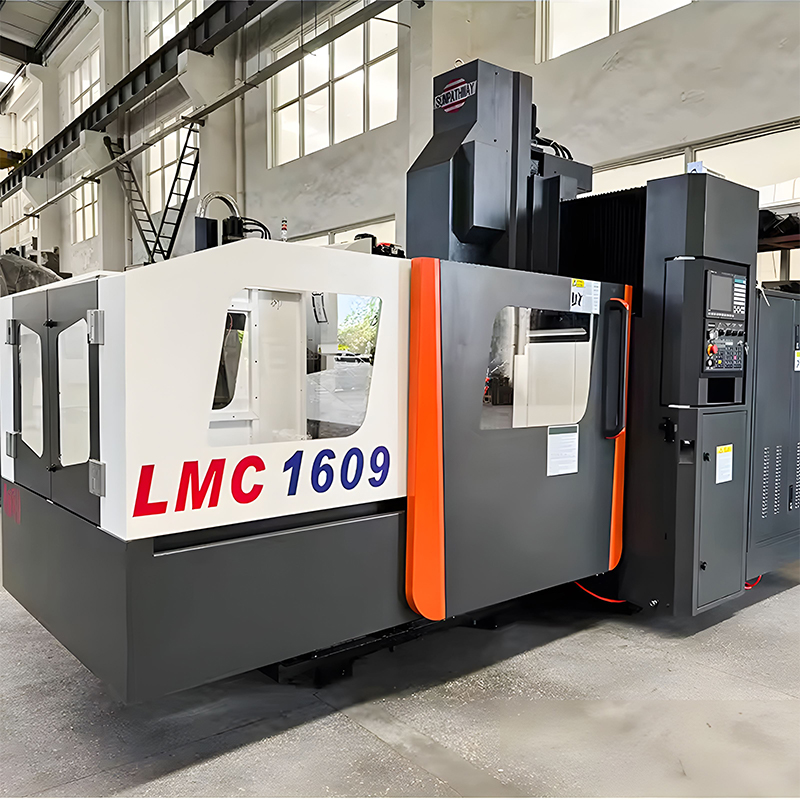
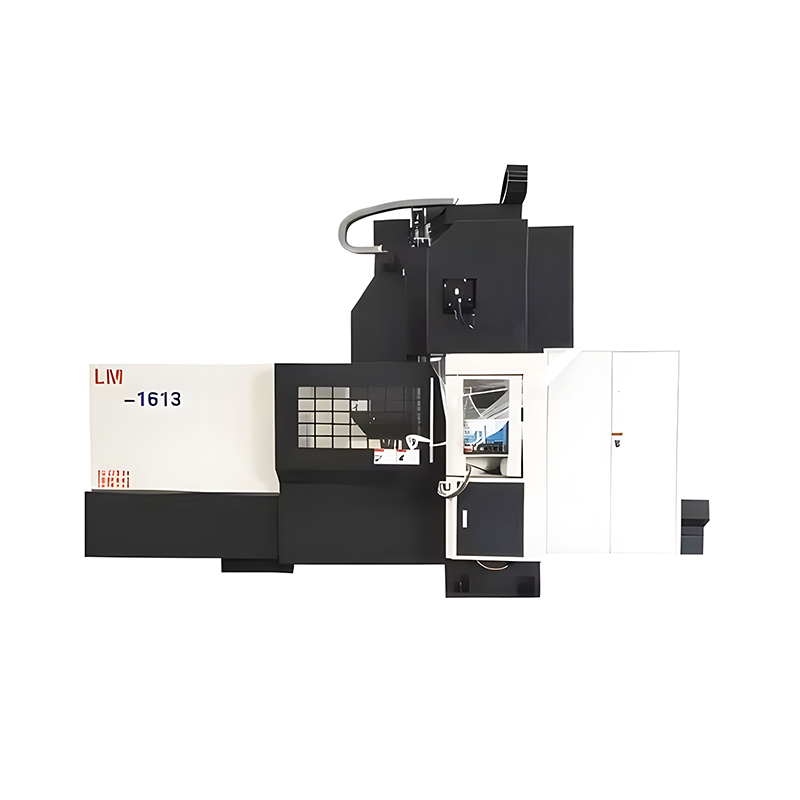
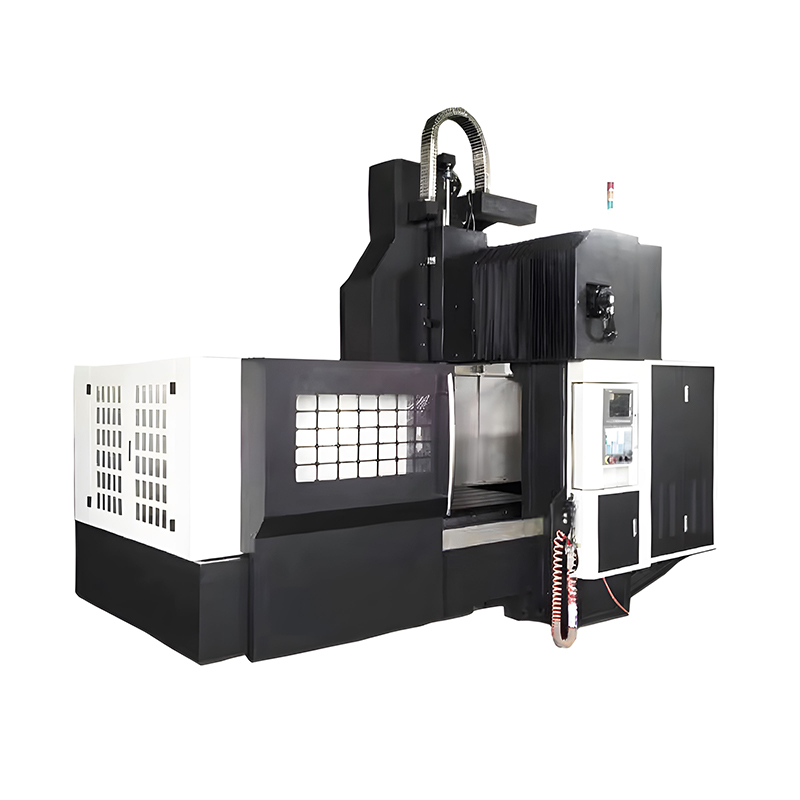
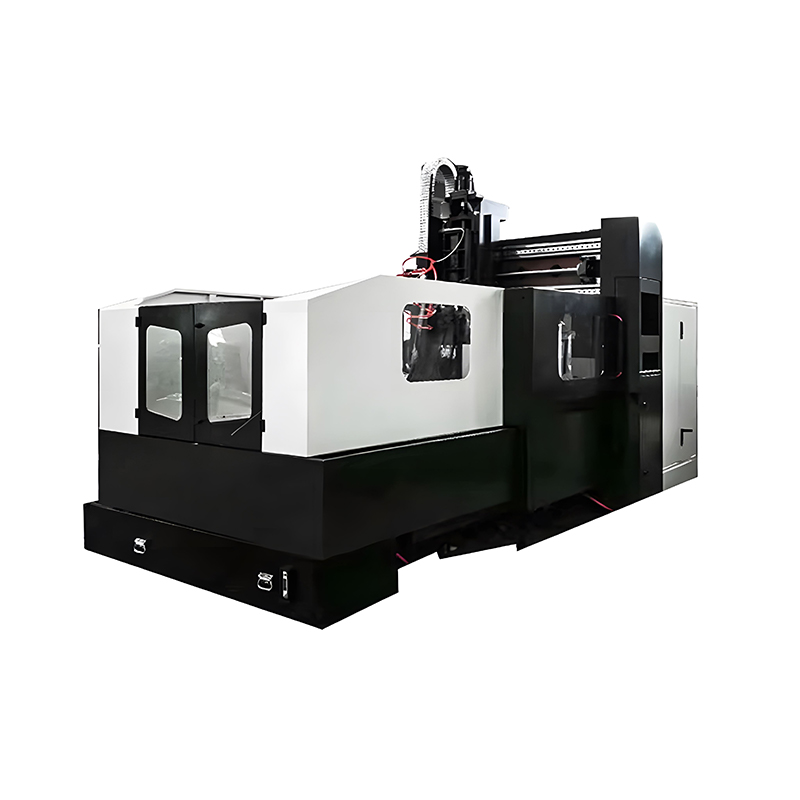
When the workpiece is too large or too heavy for a C-frame VMC, a gantry machine is the practical answer. The table stays fixed while the gantry moves over the part, which allows the machine to cut long molds, structural plates, and oversized dies. The LM1090 gantry-type CNC milling machine is a typical entry-level gantry model for large aluminum and steel components. If you are comparing these machines, this guide to CNC gantry milling machines explains the differences between high-speed and heavy-duty configurations.
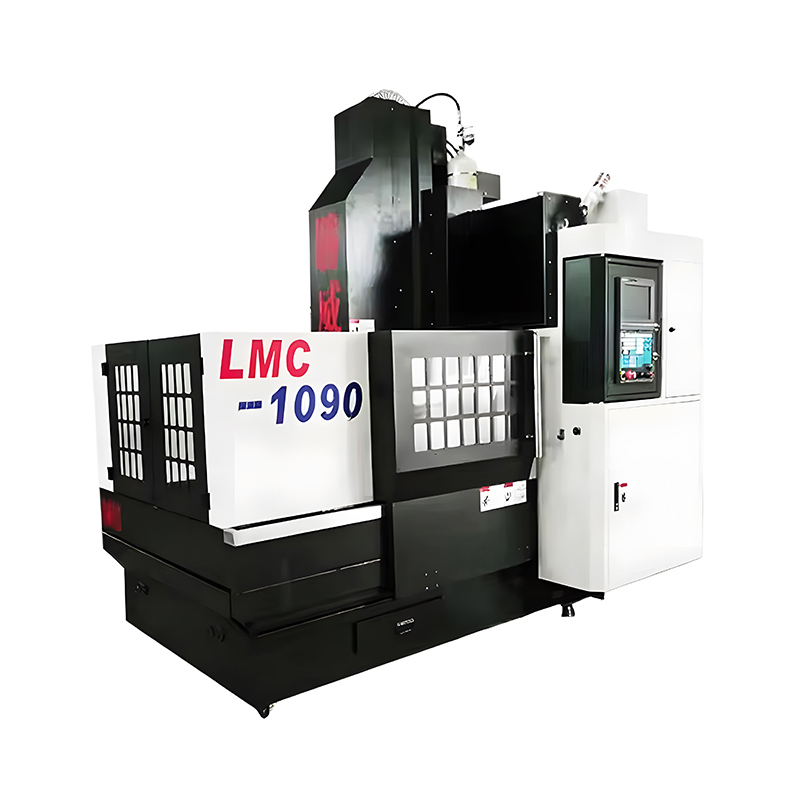 CNC High Speed Gantry Milling MachineThe CNC high-speed g...View Product →
For smaller tools, electrodes, graphite parts, and aluminum molds, CNC engraving and milling machines run at higher spindle speeds with smaller cutters. These machines are a bridge between milling and detail work. Their value is in electrode production, graphite machining, and fine finishing operations where chip load is small but surface detail is important. For a deeper comparison, this knowledge guide to CNC engraving and milling machines covers material selection, spindle requirements, and typical mold applications.
EDM, Wire EDM, and Electrochemical Machines
CNC also controls non-cutting processes. Electrical discharge machining (EDM) removes metal with controlled electrical sparks, which lets manufacturers cut hardened steel, carbide, and superalloys that are difficult to mill. Sinker EDM machines create mold cavities by sinking an electrode into the workpiece. Wire EDM cuts precise contours with a thin wire under CNC control. Small-hole EDM drills deep, small-diameter holes in turbine blades and fuel injectors. In addition, electrochemical machining (ECM) dissolves metal with an electrolytic reaction, leaving a burr-free surface. These machines are indispensable in mold shops and aerospace manufacturing.
CNC Axes: 3-Axis vs 4-Axis vs 5-Axis
Another part of what CNC means in manufacturing is the machine's axis configuration. An axis is a direction of controlled movement. The more axes a machine has, the more complex the geometry it can produce in a single setup.
- 3-axis machining moves the tool or table in X, Y, and Z. It covers most flat and prismatic parts: faces, pockets, holes, and slots. It is the most common and the most cost-effective configuration.
- 4-axis machining adds one rotary axis, usually rotating the table around the X or Y direction. This allows machining of cylindrical features and multiple faces without re-clamping.
- 5-axis machining adds two rotary axes, letting the tool approach the part from nearly any direction. It is used for impellers, turbine blades, complex mold cores, and deep cavities where tool clearance is a problem.
The trade-off is straightforward. A 3-axis machine is cheaper, easier to program, and rigid. A 5-axis machine reduces setups, improves surface finish on complex shapes, and allows shorter tools that vibrate less. Buyers should match the axis count to the part family, not to the latest trend. If 90 percent of your work is simple blocks and plates, a quality 3-axis machine will outperform a budget 5-axis machine on both cost and accuracy.
Precision and Tolerances in CNC Machining
When manufacturers talk about what CNC means in practical terms, tolerance is usually the next topic. Tolerance is the allowed deviation from the nominal dimension on a drawing. A CNC machine does not make every part perfect; it makes every part within an acceptable window, part after part.
Typical machining centers hold +/-0.025 mm (+/-0.001 inch) for general work. With careful process control, a rigid machine, and good tooling, precision work can reach +/-0.005 mm to +/-0.013 mm. Wire EDM holds tighter because the cutting force is extremely low; +/-0.002 mm to +/-0.005 mm is achievable on fine contours. Sinker EDM typically holds +/-0.005 mm to +/-0.01 mm on cavity depth and location.
Achieving these numbers depends on more than the controller. Machine rigidity, spindle runout, thermal expansion, tool deflection, and clamping stiffness all contribute. A machine that is solidly built and kept in a stable-temperature workshop will hold its calibration for years. That is why structural design matters: cast iron beds, hardened guideways, and preloaded ball screws reduce flex and heat-related drift.
Materials That CNC Machines Can Process
One of the strongest answers to "what does CNC mean in manufacturing" is material versatility. A CNC machine is not limited to one metal or one hardness range. The same basic control system can drive a tool through soft aluminum or hardened tool steel; the difference is in the machine's rigidity, spindle power, and the type of process used.
- Aluminum alloys cut fast with high spindle speeds and are common in automotive, electronics, and mold applications. Aluminum molds are a major application for high-speed engraving/milling machines.
- Steel and stainless steel require rigid machines and moderate speeds. Hard-rail machining centers are often selected for this work because of their damping characteristics.
- Cast iron is widely machined in heavy equipment and gantry-type machines due to its good vibration damping and chip formation.
- Copper and graphite are the two most common electrode materials for EDM. Graphite is abrasive, so machines dedicated to graphite need sealed guideways and dust extraction.
- Titanium and nickel superalloys are difficult to machine by milling. Aerospace manufacturers often use small-hole EDM and electrochemical machining for these materials because the non-contact processes avoid work hardening and tool wear.
The material decision usually comes before the machine decision. Once you know the workpiece material and its hardness, you can define the required spindle power, machine rigidity, coolant strategy, and whether a chip-cutting process or an electrical erosion process is the right fit.
Why Manufacturers Choose CNC: Benefits and Limitations
The business case for CNC comes down to three measurable results: repeatability, cycle time, and labor utilization. A CNC machine can run unattended for long stretches, hold the same tolerance across a whole batch, and produce complex shapes that would be impractical by hand.
The main limitations are upfront and recurring: programming time, fixture design, tooling cost, and maintenance. For a one-off simple part, a manual machine may still be faster. For any production run, even a short one, CNC usually wins because the first part establishes a repeatable process. The real question is not whether to use CNC but which configuration fits the part mix.
Where CNC Machining Is Used in Manufacturing
CNC equipment appears across almost every manufacturing sector that cuts, forms, or finishes metal. The machines are different, but the principle is the same: replace manual judgment with programmed control to gain speed and certainty.
- Mold and die making. This is the most demanding CNC application. Mold cavities, cores, ejection systems, and electrodes all require tight tolerances and fine finishes. Sinker EDM is the standard process for finishing hardened cavities, and the CNC430 small EDM machine for metal mould making
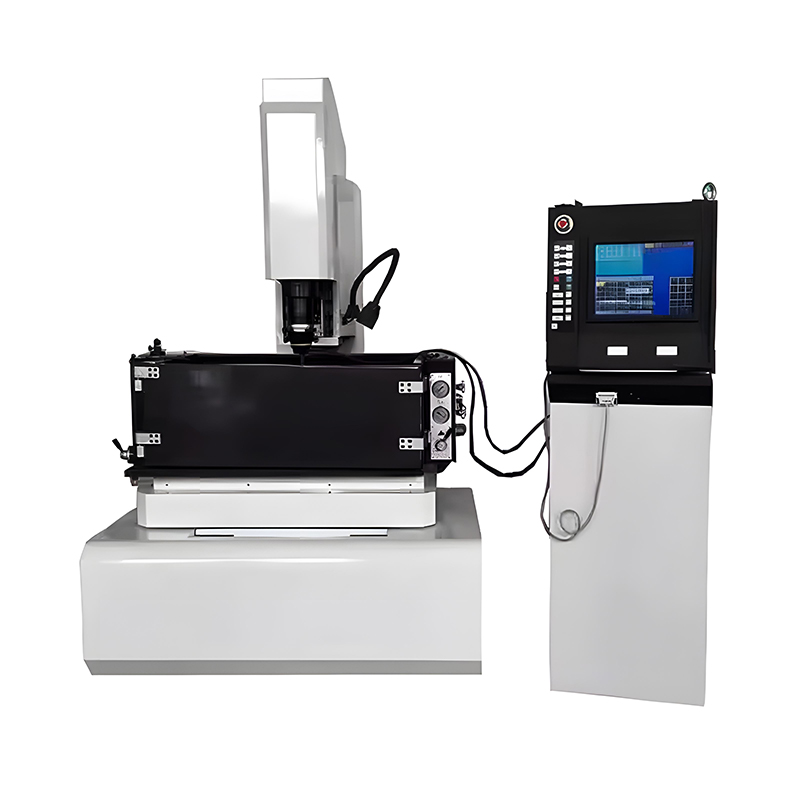 3 Axis CNC EDM MachineThe three-axis CNC E...View Product → is designed exactly for this type of work: compact cavity details, deep ribs, and hardened steel inserts.
 - Automotive parts. Engine brackets, gearbox housings, suspension components, and large stamping dies are machined on VMCs, gantry mills, and wire EDMs. Hard-rail machining centers handle the heavier cutting loads of steel and cast iron automotive parts.
- Aerospace and superalloys. Turbine blades, nozzle guide vanes, and combustor parts are made from nickel and titanium alloys. Small-hole EDM drills the cooling holes, and electrochemical machining removes material without thermal stress.
- Electronics. Graphite electrodes, aluminum heat sinks, connector molds, and precision housings are machined on high-speed engraving/milling machines that can produce fine detail without vibration.
- Hardware and general fabrication. Fittings, housings, plates, and structural components in steel, stainless steel, and cast iron run on robust 3-axis machines and gantry-type mills.
In each sector, the machine tool choice follows the part geometry and material. A mold shop invests in sinker EDM and engraving/milling. An aerospace supplier invests in small-hole EDM and ECM. A general job shop starts with a versatile 3-axis VMC. Matching the process to the part is the core of practical CNC knowledge.
How to Choose the Right CNC Machine
Choosing a CNC machine is a series of trade-offs between part size, material, tolerance, batch quantity, and budget. A clear checklist prevents the two most common buying mistakes: buying too little rigidity and buying more axis capability than the work requires.
- Define the work envelope. Measure your largest workpiece. The machine's X, Y, and Z travel must cover the part plus tool clearance. For long molds, a gantry machine with a wide table is often more practical than a large VMC.
- Match rigidity to the material. Aluminum and graphite allow lighter structures. Steel and cast iron cutting demands heavy castings, hardened guideways, and adequate spindle torque.
- Check the tolerance requirement. If the drawing holds +/-0.01 mm, buy a machine with proven positioning precision and thermal stability. Do not rely on the controller's resolution alone.
- Project the batch size and changeover frequency. High-mix, low-volume work benefits from quick tool changing and simple setup. High-volume work benefits from automation and spindle uptime.
- Consider workshop conditions. A 5-axis machine or wire EDM requires a climate-controlled environment. A standard 3-axis VMC is more forgiving on power supply and temperature variation.
For a shop focused on medium-size precision parts and mold inserts, a three-axis machining center like the VMC850L high-speed 3-axis vertical machining center offers the right balance of speed and rigidity. For large aluminum molds and structural plates, a gantry machine such as the LM1090 gantry-type CNC milling machine provides a much larger working area at a competitive price. If the workload is hardened steel cavities and electrodes, a sinker EDM should be part of the equipment mix.
CNC High Speed Gantry Milling MachineThe CNC high-speed g...View Product →3-Axis, 5-Axis CNC Vertical Machining CenterThe three-axis rail ...View Product →
Before making a final decision, talk to a supplier about your actual part drawings, annual quantities, and available floor space. A good machine supplier will help you confirm spindle load, axis travel, and tooling details rather than selling on specification sheets alone. If you want to compare machine options with the team at Sunway, you can contact the Sunway team with your part drawings and production targets.
Frequently Asked Questions About CNC in Manufacturing
What does CNC stand for in manufacturing?
CNC stands for Computer Numerical Control. It means a computer controls the movement of a machine tool by following a programmed sequence of instructions instead of relying on manual operation by a machinist.
What is the difference between CNC and manual machining?
In manual machining, an operator moves the machine slides by hand and controls feed and speed during the cut. In CNC machining, the controller moves the axes automatically according to a G-code program, which gives higher repeatability, faster cycle times, and the ability to machine complex 3D shapes without a highly experienced operator at every machine.
What are G-code and M-code?
G-code controls geometry and motion, such as rapid positioning, linear feeds, and arc interpolation. M-code controls auxiliary machine functions such as spindle rotation, coolant on/off, and tool changes. Both code types are written into a single part program that the CNC controller reads line by line.
What tolerance can a CNC machine hold?
Standard CNC milling typically holds +/-0.025 mm (+/-0.001 inch). Precision milling can reach +/-0.005 to +/-0.013 mm, and wire EDM can reach +/-0.002 to +/-0.005 mm. Actual results depend on machine rigidity, tooling, material, and temperature control.
Is CNC machining only for metal parts?
No. CNC machines also process graphite, copper, engineering plastics, wood, composites, and ceramics. The machine must be selected for the material: graphite requires sealed guideways and dust extraction, while hard metals require a rigid, high-torque structure.
What is 5-axis CNC machining used for?
5-axis machining adds two rotary axes to the standard X, Y, and Z movements. It is used for impellers, turbine blades, complex mold cores, and parts where the tool must approach from multiple angles to avoid collisions. It reduces setups and improves surface finish on freeform geometry.
What is EDM in CNC manufacturing?
EDM, or electrical discharge machining, removes metal by controlled electrical sparks between an electrode and the workpiece. It is used for hardened steel cavities, small deep holes, and fine contours that are difficult to produce by milling. Because the process is non-contact, it does not create cutting forces, so thin and fragile features can be machined without distortion.
PREV:Case Hardening Explained: What It Is, How It Works, and Why It Matters for Manufacturing
NEXT:Properties of Metals: Physical, Mechanical, and Chemical Facts Explained
NEXT:Properties of Metals: Physical, Mechanical, and Chemical Facts Explained
Interested in cooperation or have questions?
News
-
-
An EDM machine, also called an electrical discharge machining machine, uses controlled sparks to erode electrically conductive metal without direct contact between the tool and the workpiece. The workpiece is submerged in a diele...
READ MORE -
Cutting Tools Are Used to Convert Raw Material into Functional Parts Cutting tools are the hardened, wear-resistant elements that shear away unwanted material from a workpiece to create a finished component. They are applied in e...
READ MORE -
A CNC machine can cut, drill, mill, turn, burn, and shape almost any conductive or composite material with an accuracy that manual machines rarely match. The real question is not what a CNC machine can do in theory, but what a sp...
READ MORE
Related Products

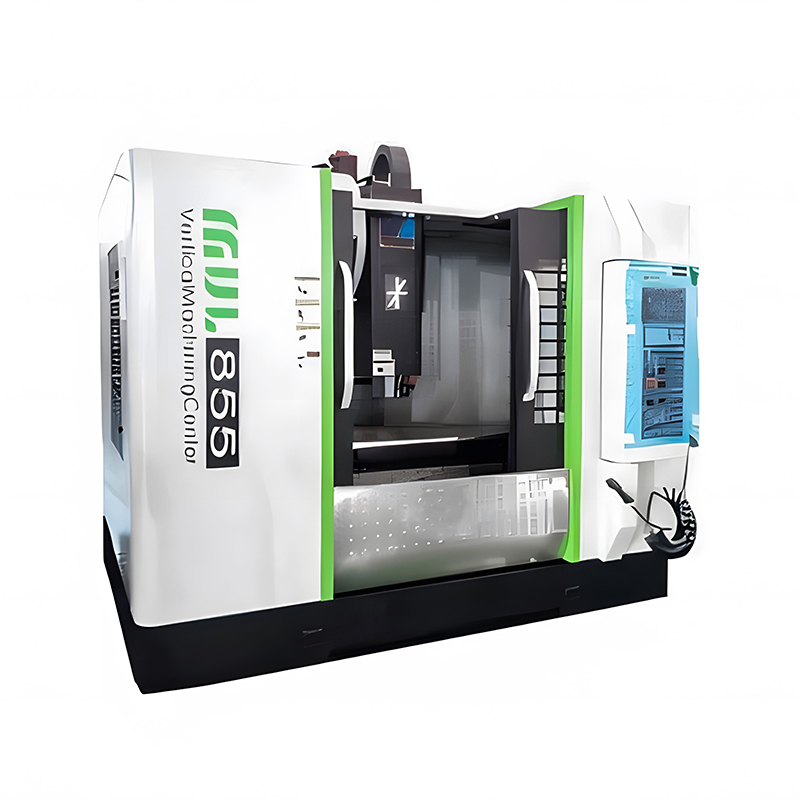

-
Factory Address
Zhaxi Township Industrial Park, Nantong City, Jiangsu Province, China (west of Huaneng Power Plant)
-
Phone
+86-13615235768
+86-15950816906
-
Fax
+86-513-85632766
-
Email
pan.director@sunwayer.com
Stay Connected
lf you can't find the answer you're looking for, chat with our friendly team.
Stay Connected
Copyright © Nantong Sunway Science and Technology Development Co., Ltd. All Rights Reserved.
China CNC Equipment Manufacturers
Custom CNC Equipment Factory
