Nantong Sunway Science and Technology Development Co., Ltd.
Home / Machines / Slow Wire EDM / Gantry-type Slow Wire EDM
Gantry-type Slow Wire EDM Company
Our footprint spans the globe.
We provide quality products and services to customers from all over the world.

Gantry-type Slow Wire EDM Suppliers

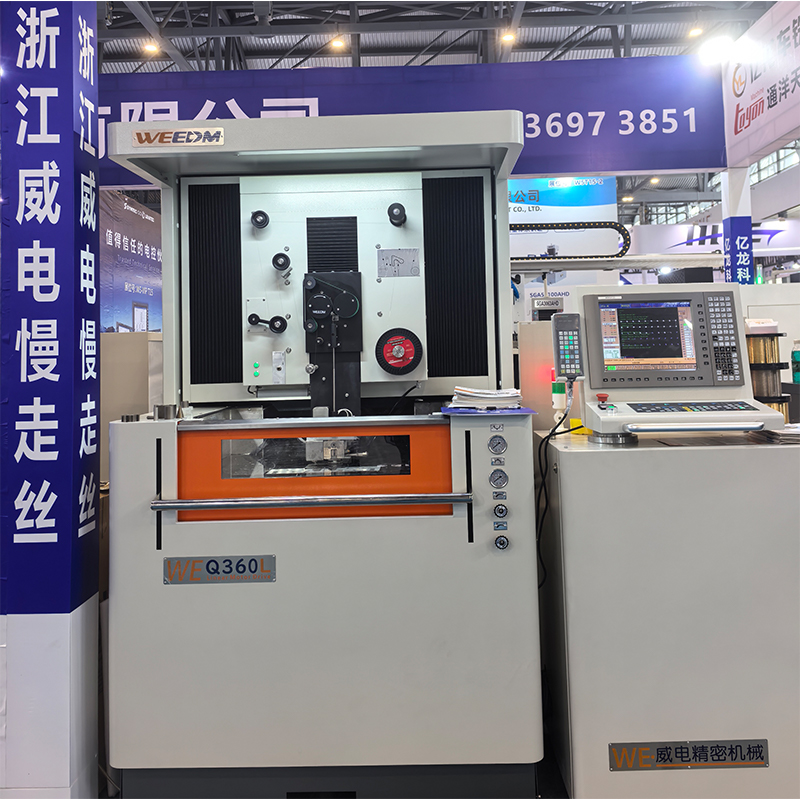
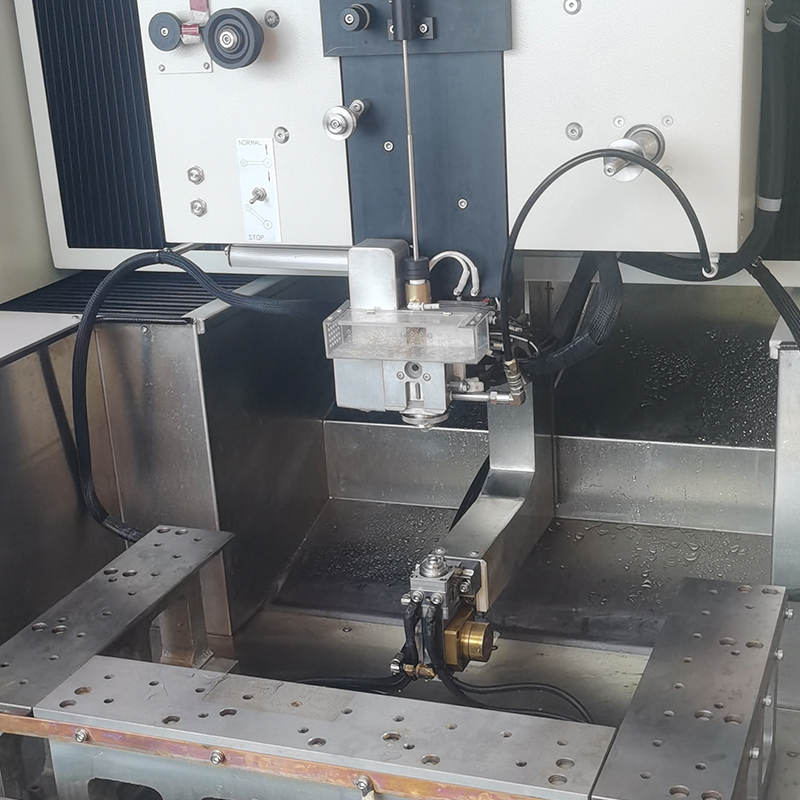
The gantry-type slow wire EDM adopts a dual-column (gantry-style) structure, providing excellent table stability and making it suitable for machining large workpieces. Its superior precision and stability make it widely used in aerospace, automotive manufacturing, and other fields requiring high machining accuracy.
About
Nantong Sunway Science and Technology Development Co., Ltd.
As a China Gantry-type Slow Wire EDM Manufacturers and Gantry-type Slow Wire EDM Company, Nantong Sunway Science and Technology Development Co., Ltd. is a comprehensive enterprise specializing in the R&D, manufacturing, and sales of numerical control equipment. Located in Nantong, Jiangsu Province, it enjoys convenient transportation and mature industrial supporting facilities. The company's main products include multiple series such as CNC machining centers, EDM forming machines, high-speed engraving and milling machines, small gantry milling machines, CNC EDM machines, and frame milling and engraving machines, which are widely used in mold manufacturing, precision parts processing, hardware, auto parts, electronics, aerospace, and other industries.
Since its establishment, Sunway has continuously increased investment in basic manufacturing and technical equipment. It has built a high-standard foundry and a large structural part processing factory covering an area of approximately 10000 square meters, and introduced multiple advanced guideway grinders and precision processing equipment, forming independent processing and assembly capabilities from structural parts to complete machines.
Sunway has always adhered to the business philosophy of "being honest, pursuing excellent quality, working diligently, and developing through innovation". It attaches great importance to the ex-factory quality of each piece of equipment, strictly implements the testing process, and strives to deliver each product with stability and reliability. With stable performance and good service, Sunway products have not only won customer praise in China but also been exported to Europe, America, Southeast Asia, and other regions.
We believe that high-quality products stem from down-to-earth accumulation. In the future, Sunway will continue to invest in process optimization, intelligent control, customer customization, and other directions, and strive to become your trustworthy machinery and equipment manufacturing partner for a long time.
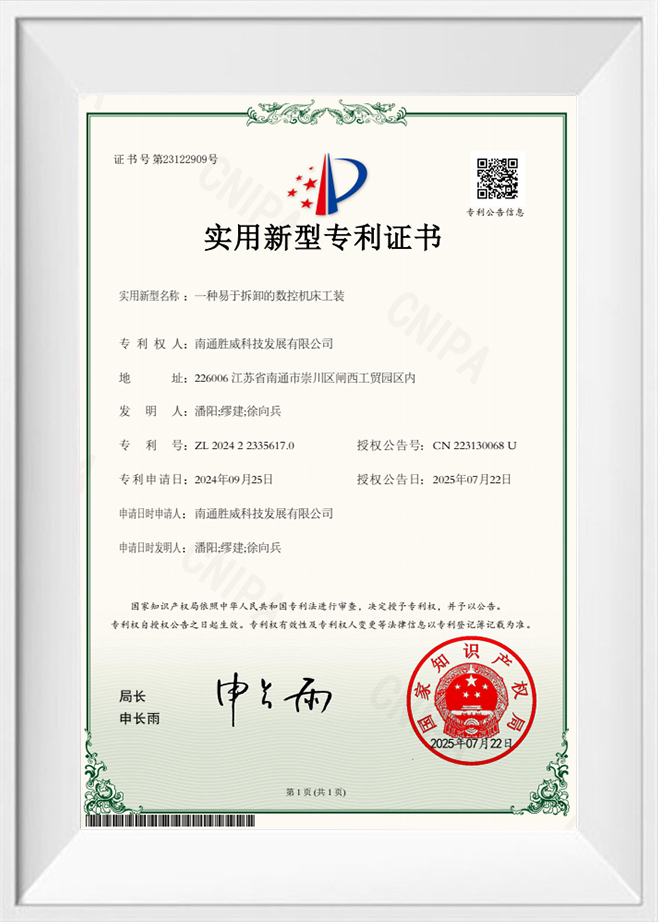
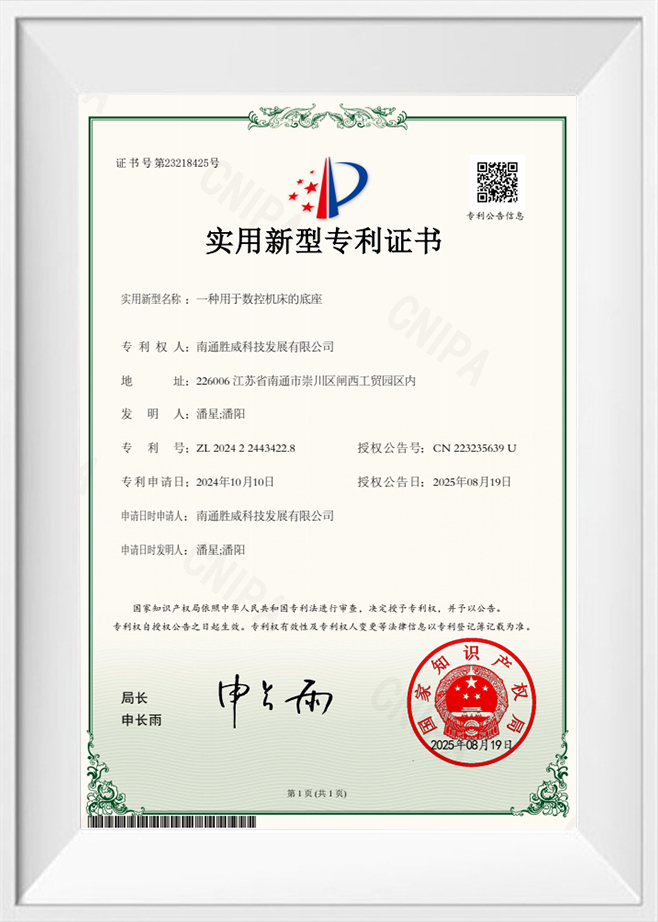
Certificate of Honor
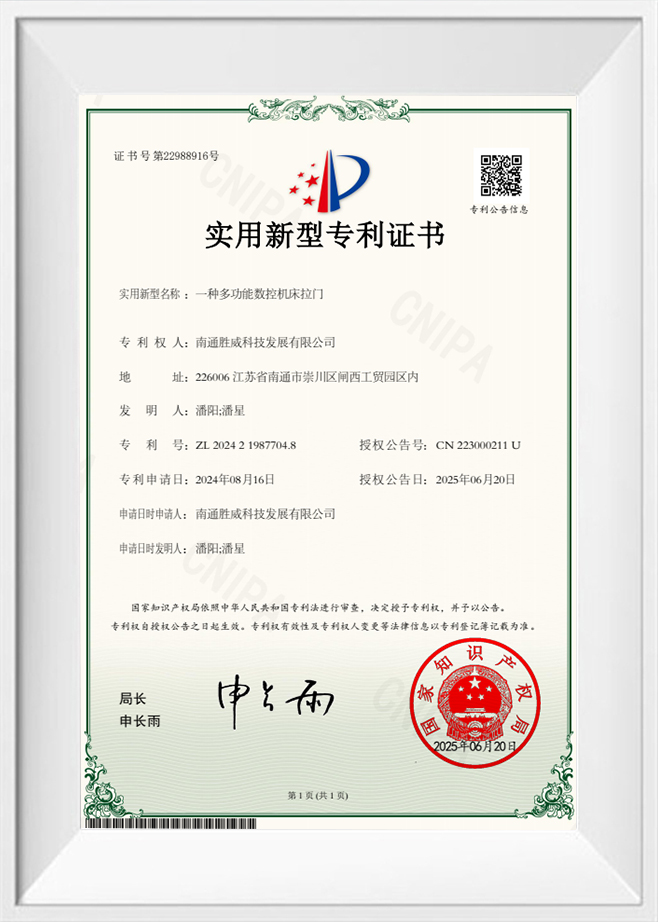
  • Utility Model Patent Certificate
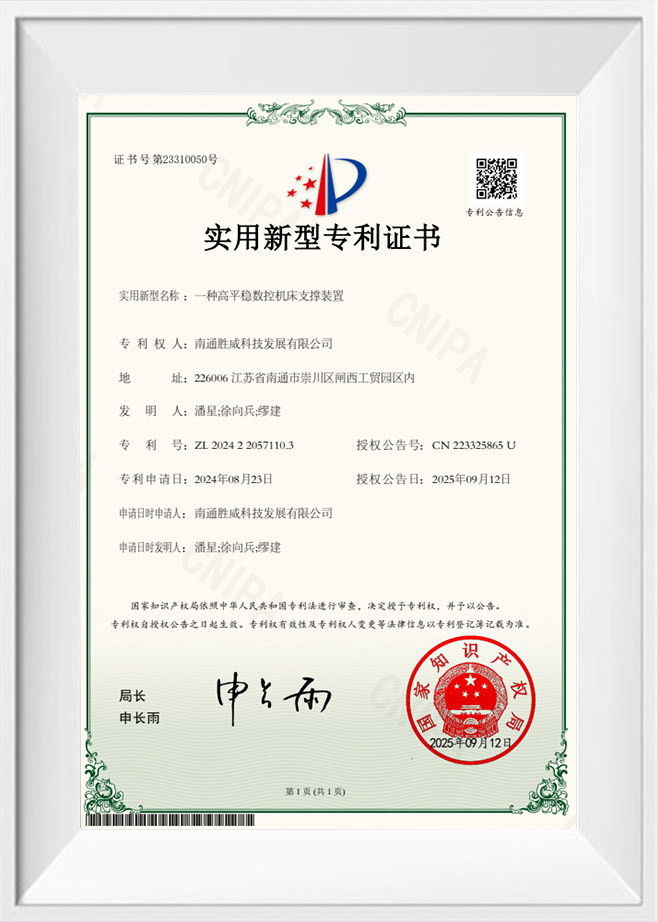
  • Utility Model Patent Certificate
  • Utility Model Patent Certificate
  • Utility Model Patent Certificate
News
Gantry-type Slow Wire EDM Industry Knowledge

Nantong Sunway Science and Technology Development Co., Ltd

Gantry-Type Slow Wire EDM Built for Stability on Large Workpieces

We manufacture Gantry-type Slow Wire EDM Suppliers equipment at our Nantong works in Jiangsu Province, where a dual-column frame carries the machining head over a fixed, rigid worktable. The architecture suits dies, mould inserts, aerospace structural details and thick hardened tool steel that will not tolerate table deflection.

Two models anchor the range: the LM-36 for precision-grade finishing and the LM-53 for heavy cuts through thick blocks. Both are built on our own castings and guideway preparation, and both take a control platform configured to the line interface our customer specifies.

The Two Models We Supply

PRECISION GRADE

LM-36 Gantry Wire EDM

Configured for ultra-fine contour work where surface integrity and corner accuracy drive the acceptance drawing. Well suited to small and medium mould cavities, punch and die details and bands with tight radius tolerance.

LM-36 Precision-Grade Gantry Wire EDM Machine

HEAVY DUTY

LM-53 Gantry Slow Wire Cutting

Rugged frame and reinforced column structure for cutting thick and hard conductive material, including hardened tool steel blocks, stamping dies and large mould bases that need full-height taper control.

LM-53 Heavy-Duty Gantry Slow Wire Cutting Machine

Why the Gantry Frame Changes the Cut

A gantry carries the wire head on a rigid bridge supported at both ends, so the load path closes through the frame instead of cantilevering from a single column. On large, heavy parts this keeps wire tension geometry consistent across the full travel.

Table rigidity under heavy workpiece load

Straightness retention over long travel

Thick-section cutting capability (LM-53)

Fine-surface finishing capability (LM-36)

Relative index of design emphasis across the two frames, not a measured performance figure.

Application Fit Across Hard and Conductive Material

Mould and Die Inserts

Hardened die blocks and cavity inserts cut after heat treatment, avoiding the distortion that follows milling and grinding of thin walls.

Stamping and Press Tooling

Trim dies, punches and form tools where the cutting kerf must stay square through a thick plate.

Aerospace and Automotive Details

Heat-resistant alloys, thin-wall brackets and complex contours where thermal input must stay low.

Precision Fixtures

Gauge bodies, tooling plates and fixture windows with sharp internal corners and burr-free edges.

Specification Meaning: What Each Variable Drives

Slow wire EDM output is governed by a small set of interlocking variables. Reading them together explains why the same nominal machine returns different results in different shops.

X / Y / Z Travel

Sets the largest reusable die block the frame can cover in one setup; overtravel affects taper cuts.

Max Workpiece Weight

Determines whether the gantry base and worktable support a fully loaded block without deflecting.

Wire Diameter Range

Fine wire narrows the kerf for small radii; coarser wire raises removal rate in thick sections.

Taper Angle

Defines the draft achievable for mould walls and relief angles over the block height.

Surface Roughness Target

Sets the number of trim passes and governs cutting speed on the finishing circuit.

Positioning Accuracy

Fixed by frame geometry, guideway condition and thermal behaviour, then verified at acceptance.

Accuracy, Automation and Line Integration

Our machines run on a 64-bit central processing unit with an industrial-grade PLC control platform, which keeps data handling fast during long unattended cuts and multi-pass finishing cycles. We configure the controller to the operating system our customer prefers, including Mitsubishi, SIEMENS, LNCSYNTEC and Weihong, so the operator interface matches existing shop practice.

Program transfer, remote diagnostics and automatic wire threading are specified at order stage rather than retrofitted, which avoids surprises during commissioning.

Stability Precision Throughput Taper Automation Serviceability

Design balance across the gantry platform rather than a single-machine benchmark.

Configuration Choices We Confirm Before Build

The following table sets out the decisions taken with our application engineers during order review. It also maps our slow wire range so the frame type is matched to the part rather than to a catalogue default.

Gantry-type slow wire EDM model positioning and configuration scope at Sunway
Configuration Area LM-36 Precision Grade LM-53 Heavy Duty Decision Taken With Us
Primary work type Fine contours, small radii Thick blocks, hard plate Part height, weight and finish callout
Wire path Fine wire, multi-trim Coarser wire, rough-first Kerf width and removal rate target
Control platform 64-bit CPU with industrial PLC; Mitsubishi, SIEMENS, LNCSYNTEC or Weihong OS Existing operator language and CAM output
Auxiliaries Dielectric supply, filtration, chiller and wire handling arranged per site Room layout, power feed and drainage
Fixture interface Clamping plate, alignment block Heavy clamp set, leveling feet Setup method already used in the shop
Acceptance evidence Test cut, dimensional report, surface check Witnessed or supplied sample documentation

Where Each Frame Type Sits in the Slow Wire Family

  • Gantry-type: fixed table with a bridge-mounted head, chosen for large and heavy workpieces where table rigidity decides the result.
  • Cross-type: the table moves in cross axes, suited to small and medium precision parts where floor space is limited. See Cross-type Slow Wire EDM Suppliers.
  • Moving-column: a travelling column serves long parts and multiple stations without moving the workpiece. See Moving-column Slow Wire EDM Suppliers.
  • Aerospace superhard alloy systems: multi-axis drilling and ECM platforms for cooling holes and difficult alloys that wire cutting cannot reach.

Manufacturing Control and Acceptance

Own castings and structural machining

A high-standard foundry and a structural parts plant of about 10,000 m² give us independent processing and assembly from casting through to complete machine.

Manual guideway preparation

Guideway grinders plus scraping and lapping by hand bring each axis into alignment before the frame is accepted for assembly.

Inspection sequence

Incoming material check, process monitoring and final machine testing are handled by our own quality team against internal standards and international regulations.

Acceptance cut

A sample part is cut to the drawing and measured for dimension, straightness and surface before shipment, with results documented for the project file.

Installation, Maintenance and Spares

A gantry frame needs a level foundation and a stable thermal environment, so our installation guidance covers the pad, leveling, dielectric routing and power supply before the machine is unpacked. We provide on-site or remote installation direction, operator and maintenance training, and trial-production support until the first parts meet the drawing.

Consumables

Wire, filters, resin and nozzles held as original accessories.

Troubleshooting

Remote video diagnosis with a defined path to on-site attendance.

Planned care

Maintenance schedules and reminders tuned to the customer's production calendar.

Information We Use to Configure Your Machine

A workable proposal follows from the part, not from a price list. We ask for the details below and return a frame recommendation, control configuration and auxiliary scope in one document.

  1. Part drawings with block dimensions, weight and the largest envelope in a single setup.
  2. Material grade, hardness and whether the cut happens before or after heat treatment.
  3. Finish and tolerance callouts, including corner radius limits and straightness across the section.
  4. Taper angle and relief geometry required over the full block height.
  5. Wire diameter preferences and annual consumable planning.
  6. Preferred control system, CAM software and any shop-wide operating language.
  7. Foundation conditions, available power, dielectric supply and drainage in the planned bay.
  8. Loading method, crane capacity and whether pallet automation is intended later.
  9. Acceptance format: preferred test part, measured features and witness arrangements.

Questions We Answer Before Order

How do we choose between the LM-36 and the LM-53?

The LM-36 is built around fine contour accuracy and surface finish on small to medium inserts. The LM-53 carries the heavier frame and reinforced structure needed to cut thick, hard blocks at height without losing straightness. Part weight, block height and the dominant tolerance in the drawing settle the choice.

Can the control system match our existing shop standard?

Yes. Our machines use a 64-bit CPU with an industrial-grade PLC platform and we configure the operating system to the customer's preference across Mitsubishi SIEMENS LNCSYNTEC and Weihong. Programming language post-processor output and operator familiarity are settled at order review.

What is included in the acceptance test?

Our quality team runs incoming material inspection in-process monitoring and final machine testing. For each order we agree the sample part geometry the measured features and the form of the report so the customer receives documented evidence of dimension straightness and surface condition before the machine is released.

How is a gantry machine installed in a new bay?

We review foundation leveling power feed dielectric supply and drainage against the site plan before delivery then guide positioning and leveling on site or remotely. Commissioning ends with trial production and operator training on the actual workpieces not with a demonstration part.

Where does slow wire EDM sit against our milling and EDM range?

Milling removes bulk material; wire EDM finishes hardened sections that a cutter cannot reach without distortion. Our Electrical Discharge Machining Manufacturers range covers cavity sinking and small-hole drilling while Vertical Machining Centers Manufacturers handle the preceding roughing and electrode preparation. We help plan the sequence so each machine does the work it is best suited to.