Nantong Sunway Science and Technology Development Co., Ltd.
Home / Machines / Slow Wire EDM
Slow Wire EDM Factory
Our footprint spans the globe.
We provide quality products and services to customers from all over the world.
About
Nantong Sunway Science and Technology Development Co., Ltd.
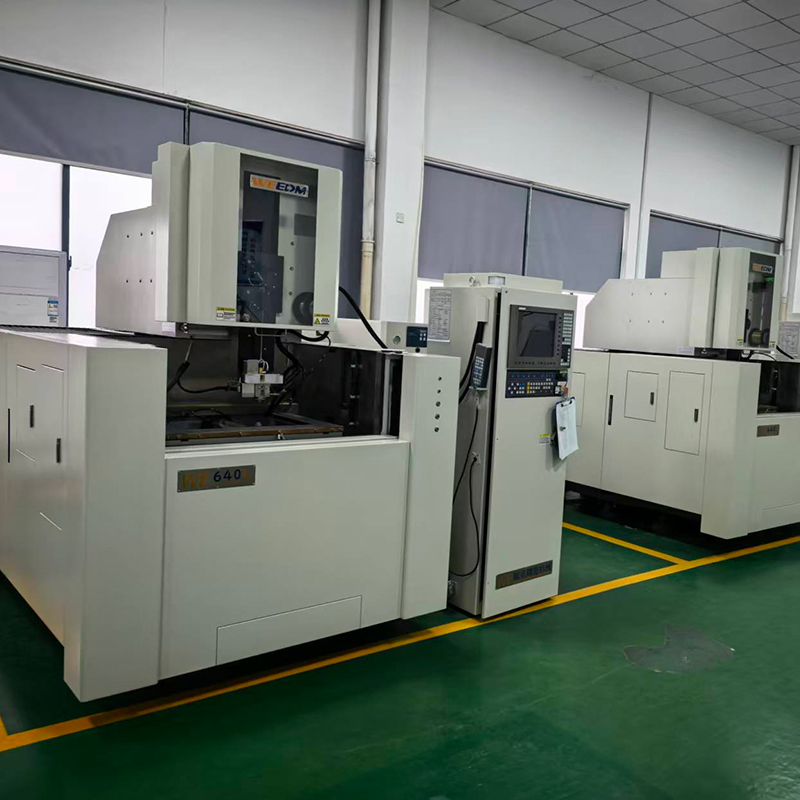
As a China Slow Wire EDM Suppliers and Slow Wire EDM Factory, Nantong Sunway Science and Technology Development Co., Ltd. is a comprehensive enterprise specializing in the R&D, manufacturing, and sales of numerical control equipment. Located in Nantong, Jiangsu Province, it enjoys convenient transportation and mature industrial supporting facilities. The company's main products include multiple series such as CNC machining centers, EDM forming machines, high-speed engraving and milling machines, small gantry milling machines, CNC EDM machines, and frame milling and engraving machines, which are widely used in mold manufacturing, precision parts processing, hardware, auto parts, electronics, aerospace, and other industries.
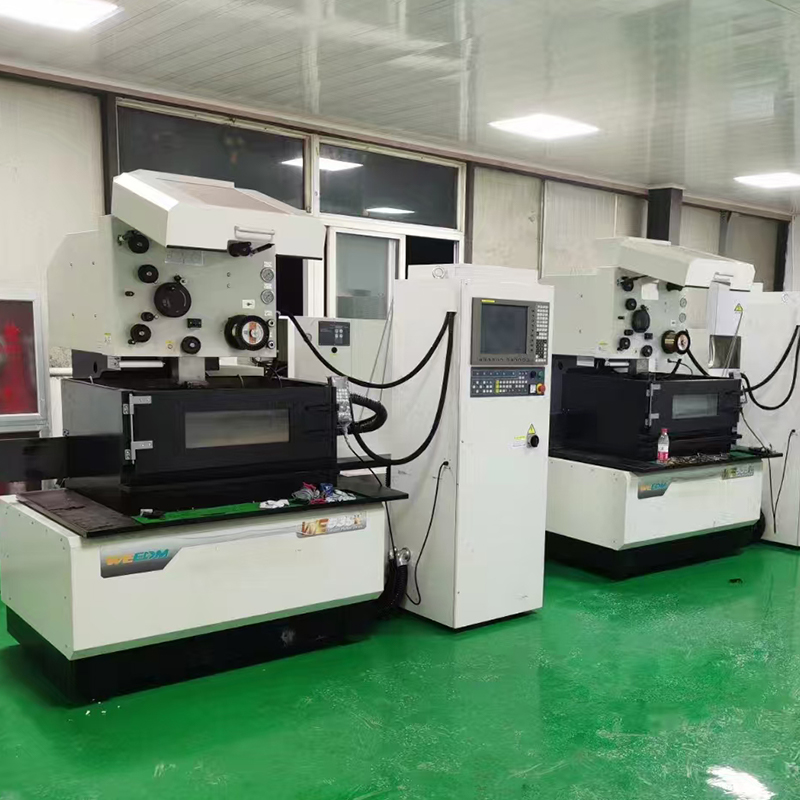
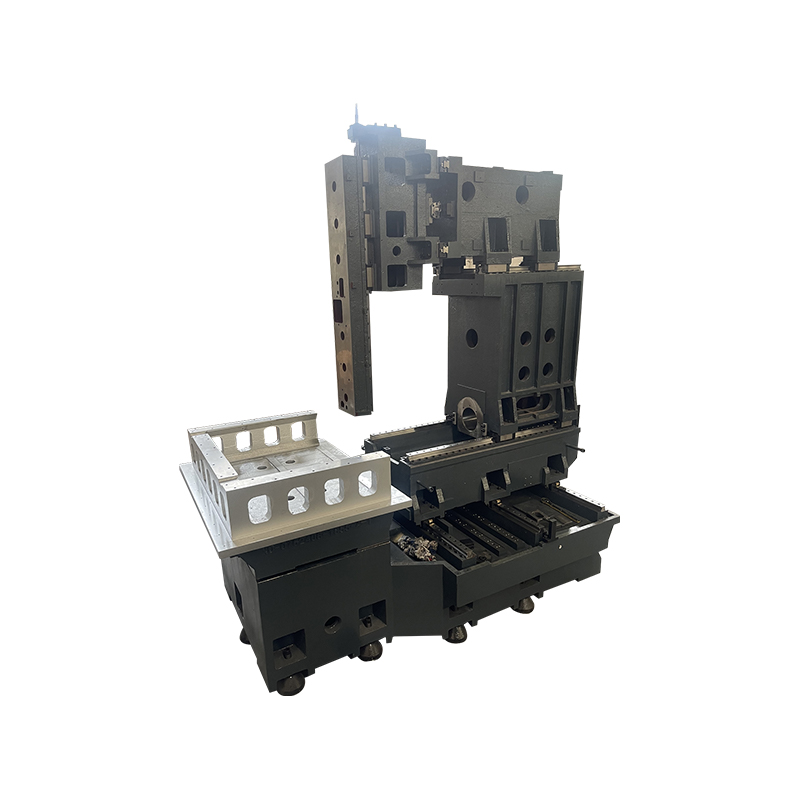
Since its establishment, Sunway has continuously increased investment in basic manufacturing and technical equipment. It has built a high-standard foundry and a large structural part processing factory covering an area of approximately 10000 square meters, and introduced multiple advanced guideway grinders and precision processing equipment, forming independent processing and assembly capabilities from structural parts to complete machines.
Sunway has always adhered to the business philosophy of "being honest, pursuing excellent quality, working diligently, and developing through innovation". It attaches great importance to the ex-factory quality of each piece of equipment, strictly implements the testing process, and strives to deliver each product with stability and reliability. With stable performance and good service, Sunway products have not only won customer praise in China but also been exported to Europe, America, Southeast Asia, and other regions.
We believe that high-quality products stem from down-to-earth accumulation. In the future, Sunway will continue to invest in process optimization, intelligent control, customer customization, and other directions, and strive to become your trustworthy machinery and equipment manufacturing partner for a long time.
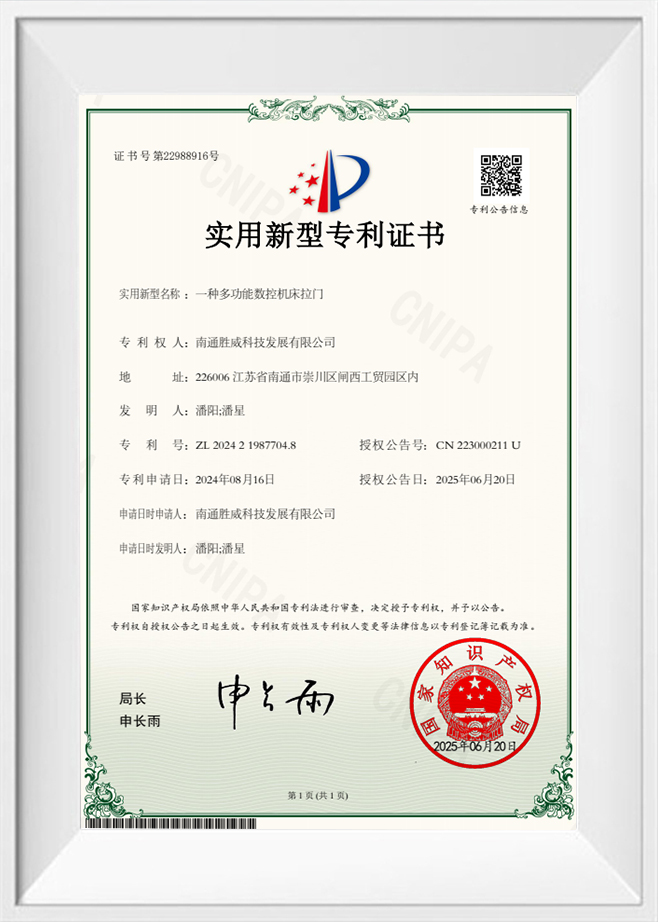
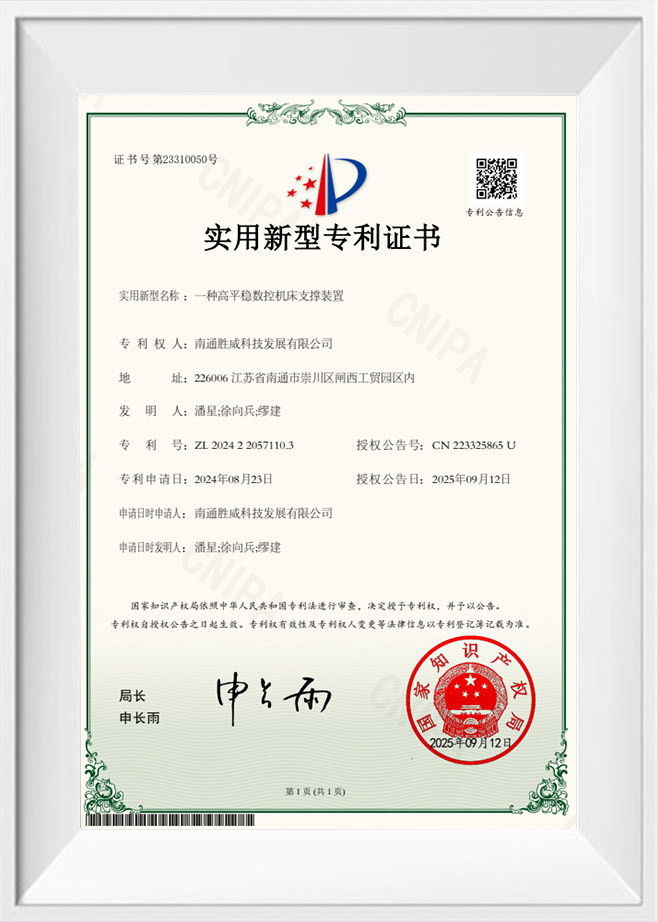
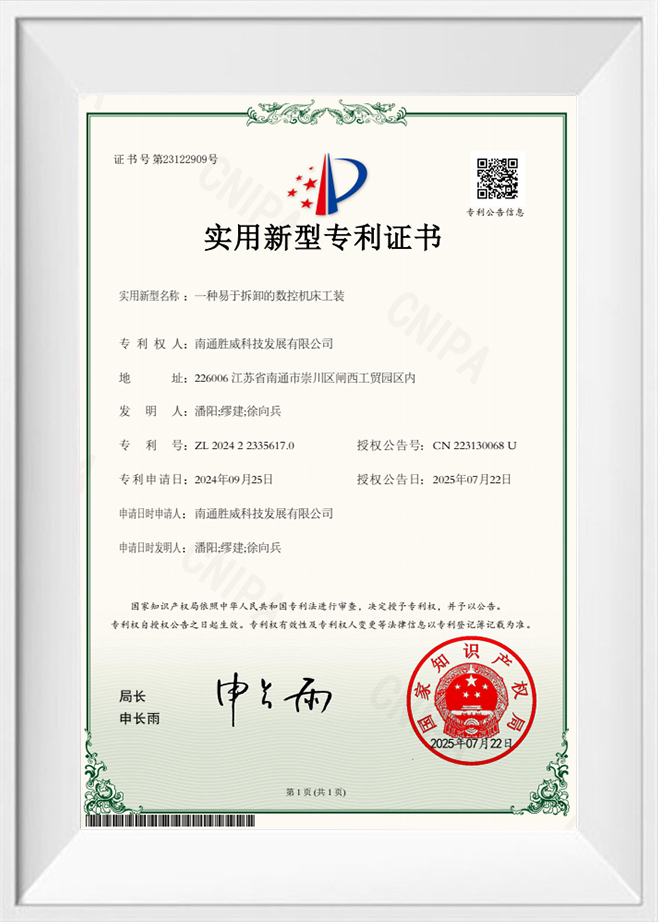
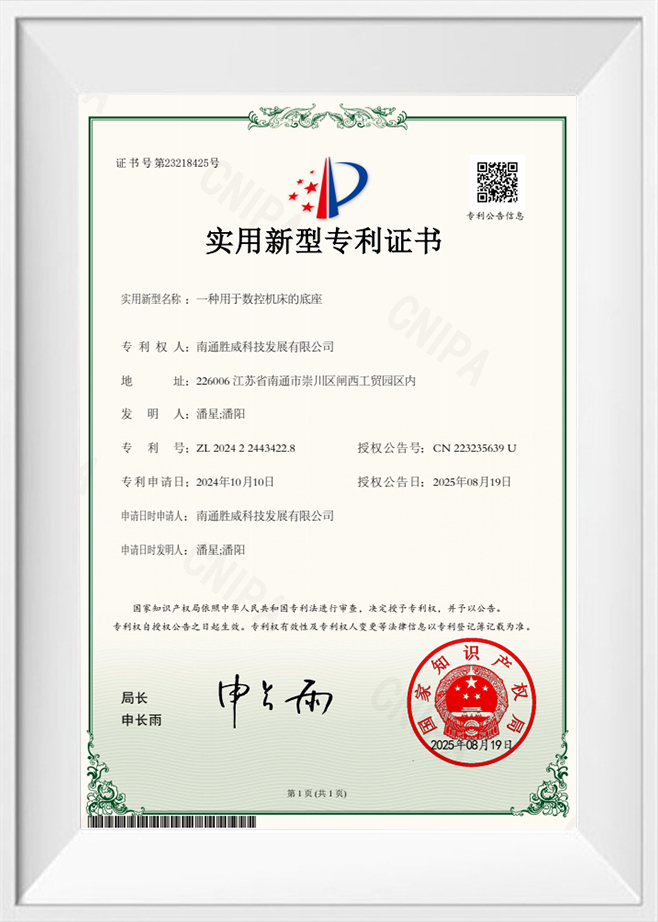
Certificate of Honor
  • Utility Model Patent Certificate
  • Utility Model Patent Certificate
  • Utility Model Patent Certificate
  • Utility Model Patent Certificate
News
Slow Wire EDM Industry Knowledge

NANTONG SUNWAY SCIENCE AND TECHNOLOGY DEVELOPMENT CO., LTD.

Slow Wire EDM Machines Built Around the Job

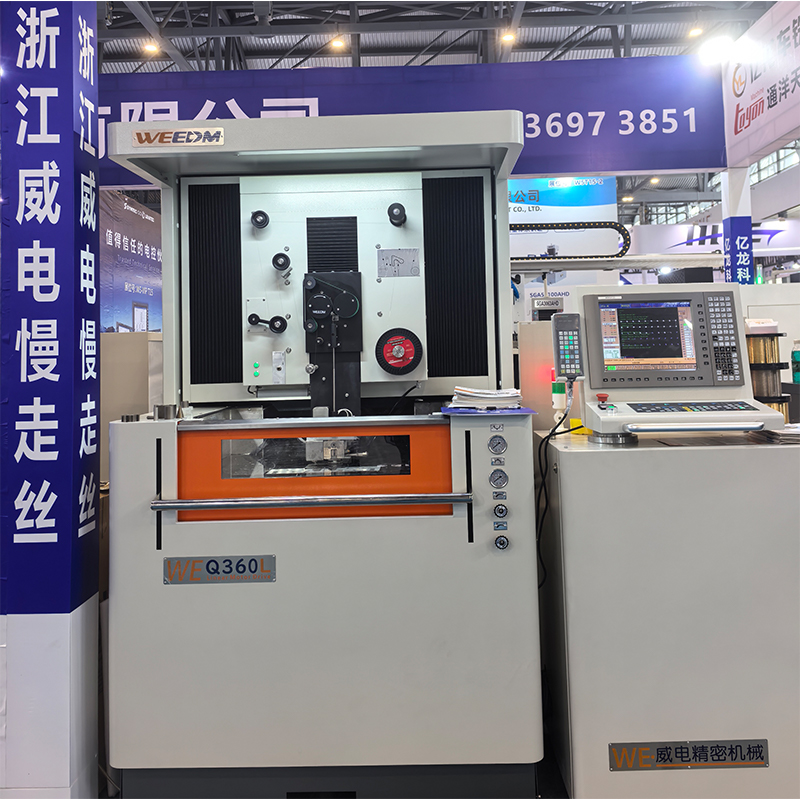
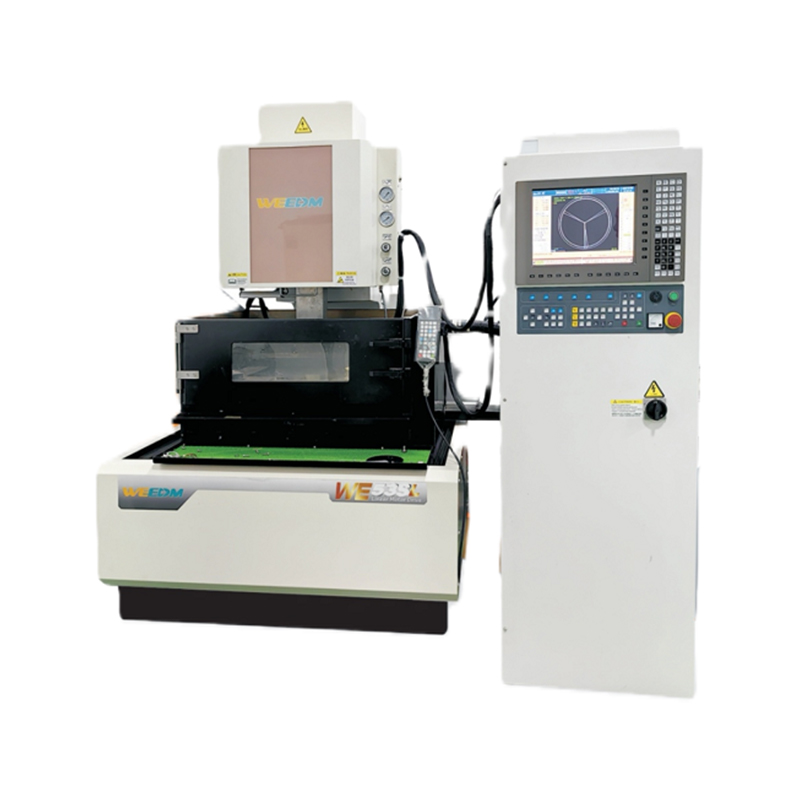
Sunway manufactures slow wire electrical discharge machining (EDM) machines as part of a CNC equipment range that also covers machining centers, EDM forming machines, engraving and milling machines and gantry milling systems. We build in Nantong, Jiangsu, with our own casting and structural part processing capability and a workshop of approximately 10,000 m², so the frame, column and table components of a wire EDM machine are produced under one roof.

Our slow wire EDM range serves mold shops, precision part processors, aerospace suppliers, automotive component plants and tooling departments. Each machine is configured for the workpiece envelope, material, accuracy class and control interface of the production line it joins. As Slow Wire EDM Manufacturers, we quote from part drawings, material and throughput data rather than from a stock model list.

Range at a glance

Gantry-type
LM-36 precision grade, LM-53 heavy duty
Cross-type
SZ-36 high speed, SZ-53 multi-axis precision
Moving-column
DZ-643 compact, DZ-855 ultra-stable

Three Structures, Three Application Zones

The machine structure determines what a slow wire EDM can hold, how it handles mass and where it belongs on the shop floor. We supply all three architectures so the proposal can match the part rather than force the part onto one frame design.

Gantry-type Slow Wire EDM

A dual-column gantry structure gives high table stability and suits large workpieces. The LM-36 Precision-Grade Gantry Wire EDM Machine targets ultra-fine work, while the LM-53 handles thick and hard material.

Fits: large mold bases, aerospace fixtures, thick die plates.

Cross-type Slow Wire EDM

A single column with a cross table gives a compact footprint and easy adjustment for small to medium workpieces. The SZ-36 covers high-speed cutting and the SZ-53 Multi-Axis Cross-Type Precision Wire Cutter adds multi-axis capability for intricate geometry.

Fits: inserts, punches, small dies, frequent changeover.

Moving-column Slow Wire EDM

A movable column combines the stability of a single-column design with the reach of a gantry layout and adapts well to high-precision, intricate parts. The DZ-643 is compact; the DZ-855 Ultra-Stable Moving-Column Slow Wire Machine is built for longer, heavier cycles.

Fits: precision connectors, medical tooling, deep cavity inserts.

Where Slow Wire EDM Delivers Value

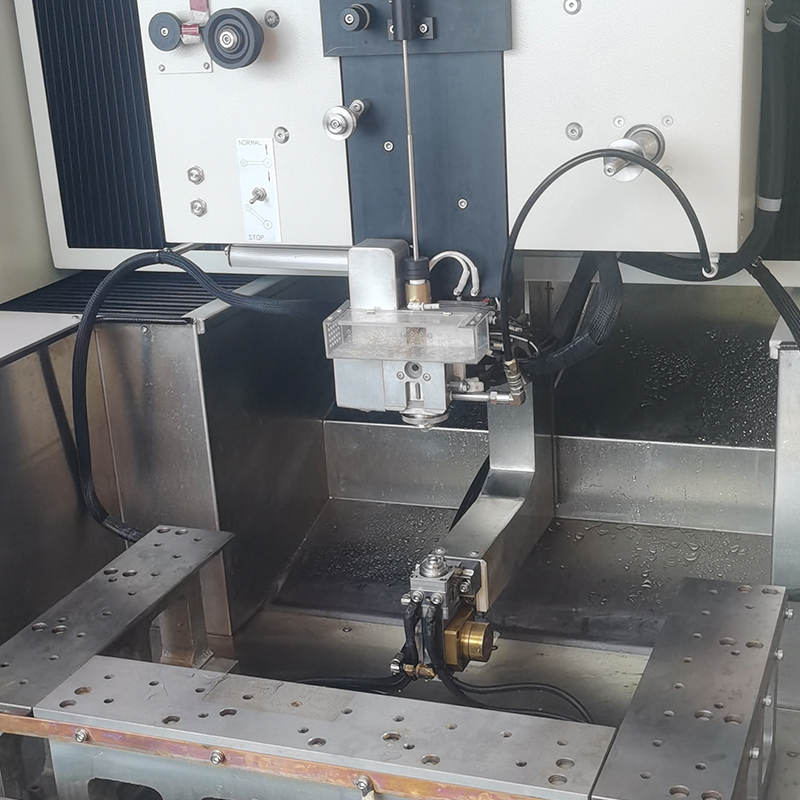
Wire EDM removes material with a continuous wire electrode and pulsed discharge, so cutting force is negligible and hardened, conductive material can be finished after heat treatment. That makes it the finishing route for shapes a milling cutter cannot reach without compromising the heat-treated state of the part.

Mold manufacturing
Core and cavity inserts, ejector plates, slides and fine shut-off edges.

Aerospace
Superalloy brackets, turbine fixtures and thin-wall components in hardened stock.

Medical devices
Small precision parts in stainless and tool steels where a sharp internal corner is required.

Die and tooling
Progressive die sections, punches and precision fixtures with tight corner radii.

Matching Structure to Workpiece

The comparison below shows how we position the six slow wire EDM models we supply. Travel, control options and tooling are confirmed on the signed drawing; the table sets the application logic behind each family.

Slow wire EDM model families, structure and intended application fit
Model Structure Positioning Typical Work
LM-36 Gantry Precision grade Fine inserts, tight-tolerance molds
LM-53 Gantry Heavy duty Thick plates, hard material, large workpieces
SZ-36 Cross-type High speed Small to medium parts, frequent changeover
SZ-53 Cross-type Multi-axis precision Complex shapes, small dies
DZ-643 Moving column Compact Small precision parts, short-run tooling
DZ-855 Moving column Ultra-stable Long cycles, intricate high-precision geometry

Specifications That Set the Working Point

  • Workpiece envelope — maximum and maximum-weight workpiece, table travel on X, Y, Z and U/V taper axes.
  • Accuracy and surface — positioning and repeatability class, best surface roughness Ra and roundness in the intended material thickness.
  • Wire system — wire diameter range, automatic threading, annealing and wire tension control.
  • Dielectric and filtration — tank capacity, filtration grade, resin and deionization control for stable conductivity.
  • Generator — pulse power, adaptive control and the number of planned rough and skim passes.
  • Control platform — 64-bit CPU and industrial PLC as standard; operating system selectable among Mitsubishi, SIEMENS, LNCSYNTEC, Weihong and similar platforms.
  • Axes — number of simultaneously controlled axes and whether taper or multi-axis motion is part of the cycle.
  • Machine integration — power supply, shop air, dielectric water and data connection to the production network.

Control and Automation Integration

Our machines are supplied with a 64-bit central processing unit and an industrial-grade PLC control platform. Because we build the control cabinet and the application package together, the operating system is selected to match the plant standard rather than chosen after the frame is assembled. Mitsubishi, SIEMENS, LNCSYNTEC and Weihong are among the platforms we configure.

For production lines, we confirm the interface list with the customer's automation team: program transfer method, status and alarm signals, remote monitoring access and the handshake with loading or pallet systems. Where the cycle involves multiple axes, the axis count, work offsets and probe routines are agreed in the control configuration before shipment.

Manufacturing and Quality Path

Casting, aging, guideway grinding, scraping and lapping, spindle load testing and final axis calibration are carried out in-house. Our quality team covers incoming material inspection, process monitoring and final machine testing, and utility model patents have been granted for structural work on the EDM range.

Acceptance follows a documented sequence: geometric accuracy of the frame and axes, then a test cut in the customer's material or an agreed equivalent, then a report covering travel, squareness, straightness and cut result before packing.

CastingGrindingAssemblyTest cutinproc.assyout

Installation, Utilities and Operator Safety

Site preparation

  • Stable floor and leveling pad, with vibration isolated from presses and grinders
  • Three-phase supply sized to the installed power, plus clean earth
  • Dielectric water supply and drain, with resin and filter access
  • Compressed air for the wire and door circuits
  • Ambient temperature held within the range agreed for the accuracy class

Safe operation

  • Interlocked doors on the working tank, with discharge disabled on opening
  • Dielectric level and temperature monitored before the cycle is enabled
  • Wire breakage and short-circuit detection stopping the pulse generator
  • Manual clean-down and filtration checks included in the operator routine

What We Need to Prepare a Configuration and Quotation

The information below is the working input for a slow wire EDM proposal. Part drawings, material grade and heat-treatment state, required tolerance and surface finish, annual volume and shift pattern, existing CAM and control standard, and the available floor space and utilities all move the specification directly.

Part and material
Drawings, stock size, hardness and whether the part is pre-machined

Quality target
Tolerance, surface roughness, taper angle and inspection method

Production target
Cycle hours per part, volume and shift pattern

Plant interface
Control platform, CAM software and any line handshake

Serviceability, Documentation and Training

Each machine is delivered with an electrical and pneumatic drawing set, a spare parts list, the control operating manuals and a maintenance schedule. Our service scope covers selection advice, sample test cutting before the order is fixed, on-site or remote installation guidance, operator and maintenance training, trial production support, remote video troubleshooting, original spare parts and planned maintenance consultation. Customers in Europe, North America, Southeast Asia, South America, India and South Korea work with the same support model as our domestic customers.

If the project spans more than wire EDM, our CNC Machining Equipment Suppliers range includes machining centers, gantry milling machines and EDM drilling systems for the operations before and after wire cutting.

Frequently Asked Questions

What materials can a Sunway slow wire EDM cut?

The process applies to conductive materials, including hardened tool steels, stainless steels, tungsten carbide, copper alloys and aerospace superalloys. The material grade, hardness and thickness determine the number of passes and the surface result, which we confirm with a test cut before shipment.

How do we choose between gantry, cross-type and moving-column machines?

Gantry machines suit large, heavy workpieces and thick plates. Cross-type machines fit small to medium parts and frequent changeover. Moving-column machines combine gantry reach with single-column stability for intricate precision geometry. We match the structure to the part drawing and volume.

Which control systems can be supplied?

Machines are supplied with a 64-bit CPU and an industrial PLC platform, and the operating system can be configured with Mitsubishi, SIEMENS, LNCSYNTEC, Weihong or an equivalent platform to match the plant standard.

What acceptance evidence comes with the machine?

Final testing covers geometric accuracy, axis travel and a test cut, recorded against the order specification. The document set includes drawings, the parts list, control manuals and the maintenance schedule, with sample test cutting available before order confirmation.

Can the machine be customized for an automated line?

Yes. Control configuration, interface signals, workholding, tooling and auxiliary equipment are specified around the line, and our application engineers support CAM programming and process planning during commissioning.

How is after-sales support handled?

Support covers remote video troubleshooting, original spare parts, planned maintenance consultation, upgrade advice and re-training of new operators. Installation guidance is provided on site or remotely, followed by trial production debugging.