


 русский
 Español
Heat treatment is a controlled thermal process that changes the mechanical properties of metal by heating it to a specific temperature, holding it there, and then cooling it at a rate chosen to produce a desired internal structur...
READ MORE
Properties of Metals: Physical, Mechanical, and Chemical Facts Explained
Content
- 1 Physical Properties of Metals: What You Can See and Measure
- 2 Mechanical Properties: How Metals Respond to Force
- 3 Chemical Properties: Corrosion, Reactivity, and Passivation
- 4 From Property to Part: How These Characteristics Drive Machining Decisions
- 5 Matching Metal Properties to the Right Processing Route
- 6 Metals, Non-Metals, and Metalloids: Side-by-Side Comparison
- 7 Frequently Asked Questions About Metal Properties
- 7.1 1. What are the three main categories of metal properties?
- 7.2 2. Why do metals conduct electricity and heat so well?
- 7.3 3. Is mercury really a metal?
- 7.4 4. Are all metals hard?
- 7.5 5. What is the difference between ductility and malleability?
- 7.6 6. Why does stainless steel resist rusting while carbon steel rusts?
- 7.7 7. How do metal properties affect CNC machining decisions?
- 8 Turning Metal Properties into Production Reality
Hand a machinist a 6061-T6 aluminum plate and a block of D2 tool steel, and the entire setup conversation changes: spindle speed, feed rate, coolant strategy, tool geometry, surface finish targets, and even the final heat-treatment step. The reason is not an arbitrary preference for one material over another; it is a set of measurable, repeatable properties embedded in the metal itself.
The direct answer is that metals are defined by three families of properties: physical, mechanical, and chemical. The physical properties include electrical and thermal conductivity, luster, density, and melting point. The mechanical properties govern hardness, tensile and yield strength, ductility, malleability, elasticity, and fatigue resistance. The chemical properties control corrosion resistance, reactivity, and alloy-forming behavior. Every one of these properties changes how a metal is cut, formed, joined, or finished, which is why the subject matters so much to machine shops, mold makers, and CNC production engineers.
This article explains each group of properties, compares metals with non-metals and metalloids, and shows how properties translate into practical machining decisions.
Physical Properties of Metals: What You Can See and Measure
Approximately 90 of the 118 known elements behave as metals (Source: BBC Bitesize, accessed August 2026). Their shared physical behavior comes from the electron sea model: atoms give up outer electrons, forming a pool of delocalized electrons that move freely through the crystal lattice. This single mechanism explains why metals conduct electricity, conduct heat, and shine.
Electrical and Thermal Conductivity
Metals are the best conductors of electricity and heat among solid materials. Silver, copper, and aluminum lead the ranking: silver at about 63 million siemens per meter, copper at about 59.6 million, and aluminum at about 37.7 million (Source: Wikipedia, "Electrical resistivity and conductivity", accessed August 2026). Thermal conductivity follows the same pattern; pure copper conducts roughly 401 watts per meter-kelvin and aluminum about 237. These numbers explain why copper dominates electrical wiring and why aluminum is used for transmission lines despite lower conductivity: aluminum is about one-third the weight of copper for the same conductance.
Luster, Opacity, and Sonority
Metals reflect light because delocalized electrons rapidly re-emit incident photons; a freshly polished surface produces the familiar metallic luster. Bulk metals are opaque to visible light, although a thin gold leaf can transmit a green-blue glow at extreme thinness. Many metals are also sonorous, meaning they ring when struck, which is why bells have been cast from bronze and other metal alloys for thousands of years.
Density, Melting Point, and State at Room Temperature
Density varies enormously inside the metal family. Titanium weighs about 4.5 grams per cubic centimeter, iron about 7.87, and tungsten about 19.25 (Source: Royal Society of Chemistry periodic table, accessed August 2026). Only mercury is liquid at standard room temperature, melting at -38.83 degrees Celsius. Tungsten has the highest melting point of all metals at 3,422 degrees Celsius, which makes it indispensable for heating elements and high-temperature tooling.
Mechanical Properties: How Metals Respond to Force
Mechanical properties describe how a metal reacts when force is applied. These are the numbers that appear on material certificates and the parameters that justify the choice of CNC equipment. The table below summarizes the mechanical properties that matter most in machining and part design.
| Property | What It Controls | Typical Example |
|---|---|---|
| Hardness | Resistance to indentation, scratching, and wear | Hardened tool steel reaches 55-62 HRC; annealed aluminum measures roughly 15 HB |
| Tensile strength | Maximum stress before fracture | Structural steel A36 delivers about 400-550 MPa (Source: Wikipedia, "A36 steel") |
| Yield strength | Stress at which permanent deformation begins | A36 steel yields near 250 MPa; 6061-T6 aluminum yields near 276 MPa |
| Ductility | Ability to deform plastically under tension | Copper is drawn into wire; one gram of gold can be drawn into a wire more than 2 kilometers long |
| Malleability | Ability to deform under compression | Aluminum foil and gold leaf hammered to fractions of a millimeter thick |
| Elasticity | Ability to return to original shape after unloading | Spring steel returns to shape after deflection within its elastic limit |
| Fatigue resistance | Behavior under repeated cyclic loading | Aircraft structural parts are tested for millions of load cycles before certification |
| Toughness vs. brittleness | Energy absorbed before fracture | Cast iron is hard but brittle; structural steel absorbs impact energy without sudden fracture |
The most common trade-off is hardness against ductility. Raising hardness through heat treatment or cold working lowers ductility, and that balance directly decides whether a part can be milled with carbide end mills or must be finished by electrical discharge machining.
Chemical Properties: Corrosion, Reactivity, and Passivation
Chemical properties describe how a metal interacts with oxygen, water, acids, electrolytes, and adjacent materials. Unlike mechanical properties, these determine long-term service life, environmental compatibility, and the feasibility of certain manufacturing processes.
Corrosion Resistance and Passivation
Stainless steels contain at least 10.5 percent chromium. Chromium oxidizes to form a thin, self-healing chromium oxide film that blocks further corrosion; aluminum behaves the same way by forming an aluminum oxide layer. Carbon steel, by contrast, has no such protective film. Its iron oxide, or rust, flakes off and exposes fresh metal to continued attack. This difference is the single most important chemical property in selecting a metal for outdoor, medical, food-processing, or marine applications.
Reactivity and Alloy Formation
Metals span a wide reactivity range. Alkali metals such as sodium react violently with water, releasing hydrogen gas and heat. Noble metals like gold and platinum resist oxidation, which is why they are used in jewelry and critical electronic contacts. Between the two extremes lies the enormous field of alloying: steel combines iron with carbon, bronze combines copper with tin, and each new alloy changes hardness, melting point, corrosion resistance, and machinability in predictable ways.
Electrochemical Behavior as a Processing Enabler
Because metals readily give up electrons, they support electrolytic and electrochemical reactions. This behavior is the foundation of electrical discharge machining and electrochemical machining. Both processes require electrically conductive materials; a plastic or ceramic workpiece cannot be processed by EDM. The same property that makes metals corrode also makes them feasible to machine by spark erosion and electrochemical etching.
From Property to Part: How These Characteristics Drive Machining Decisions
For a CNC shop, knowing metal properties is not theoretical. The values set tooling, cutting parameters, coolant strategy, and even the machine class itself. Four properties deserve special attention on the shop floor.
Hardness Sets the Process Window
Below about 45 HRC, conventional milling and turning are economical. Above that level, carbide tool wear accelerates quickly, and mold shops switch to electrical discharge machining. An EDM machine erodes material by controlled sparks, so hardness no longer limits the cut. The CNC430 small electrical discharge machine for metal mould making is a typical entry-level choice for hardened die cavities and intricate mold details that milling cannot reach cleanly.
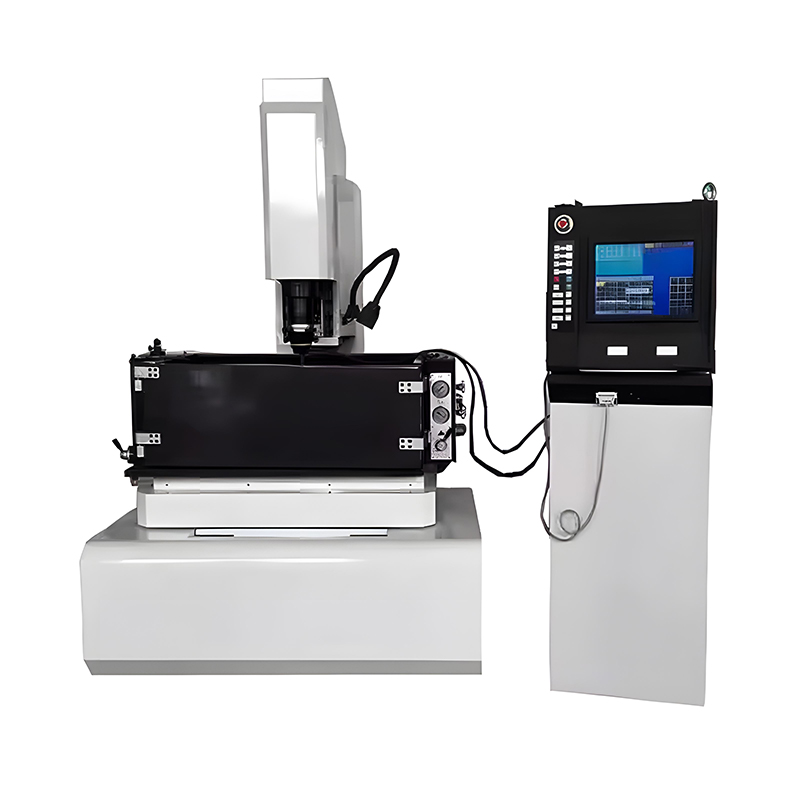 3 Axis CNC EDM MachineThe three-axis CNC E...View Product →
Thermal Conductivity Controls Heat Management
Copper and aluminum pull heat away from the cutting zone, which helps protect the tool. Titanium, with a thermal conductivity of only about 7 watts per meter-kelvin compared with roughly 50 for steel, concentrates heat at the cutting edge and accelerates tool wear. Machining handbooks consistently recommend lower cutting speeds and high-pressure coolant for titanium for exactly this reason (Source: ASM International machining data, accessed August 2026).
Ductility and Chip Formation
Ductile and gummy metals, including aluminum, copper, and low-carbon steel, produce long continuous chips that wrap around tools and damage surfaces. They require sharp positive-rake tooling, chip breakers, and generous coolant flow. Brittle materials such as cast iron produce short broken chips that are easier to evacuate but abrasive to the cutting edge over time.
Part Size and Strength Demand Machine Rigidity
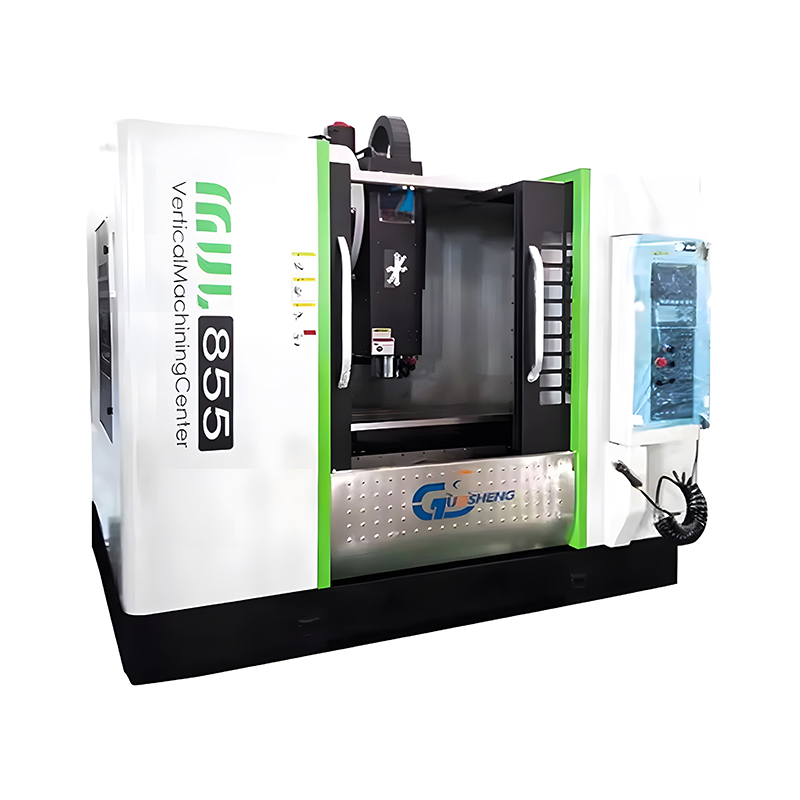
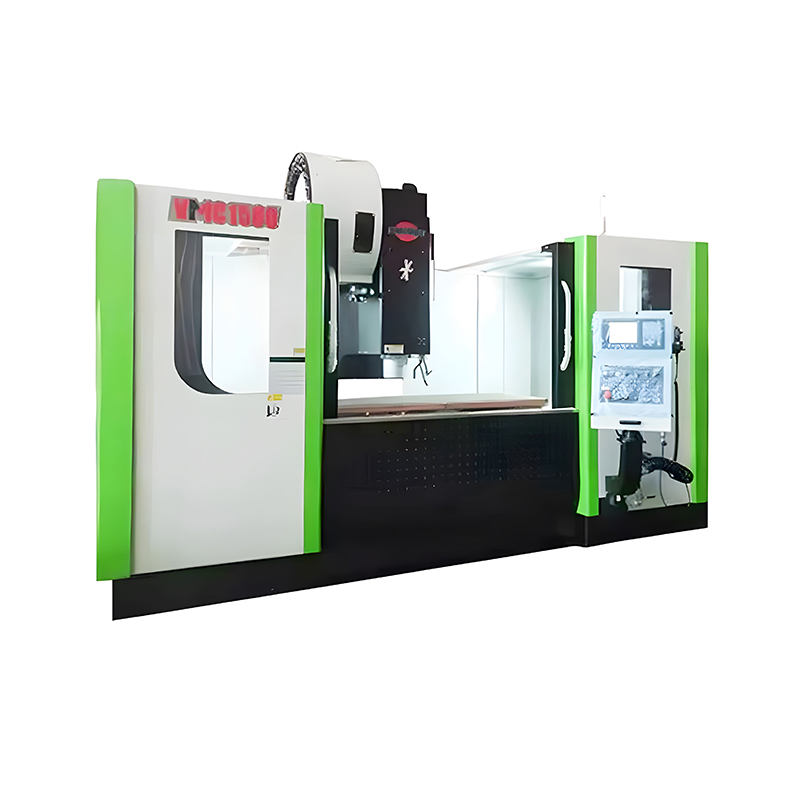
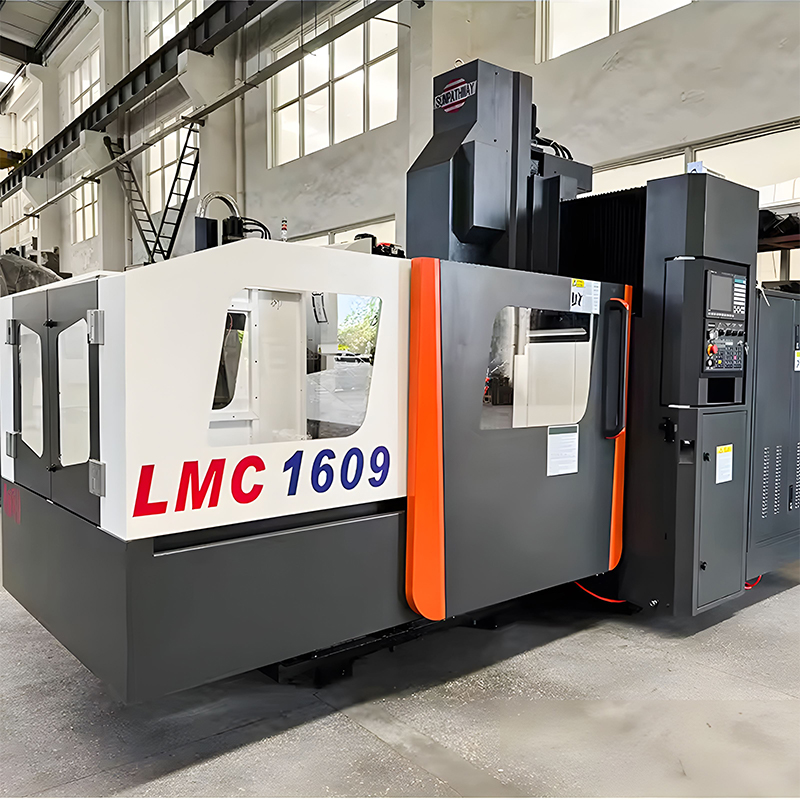
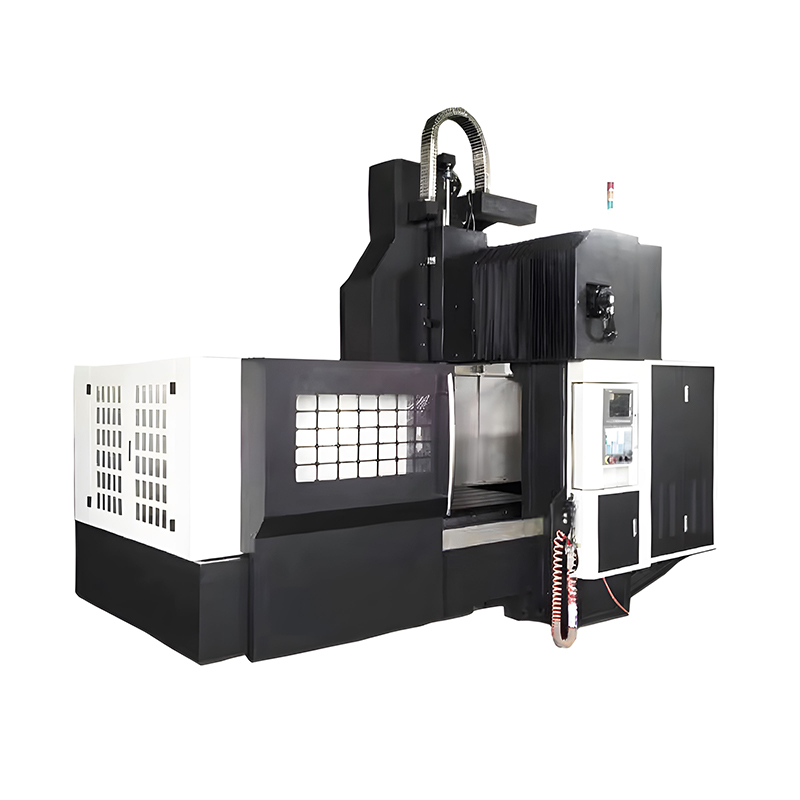
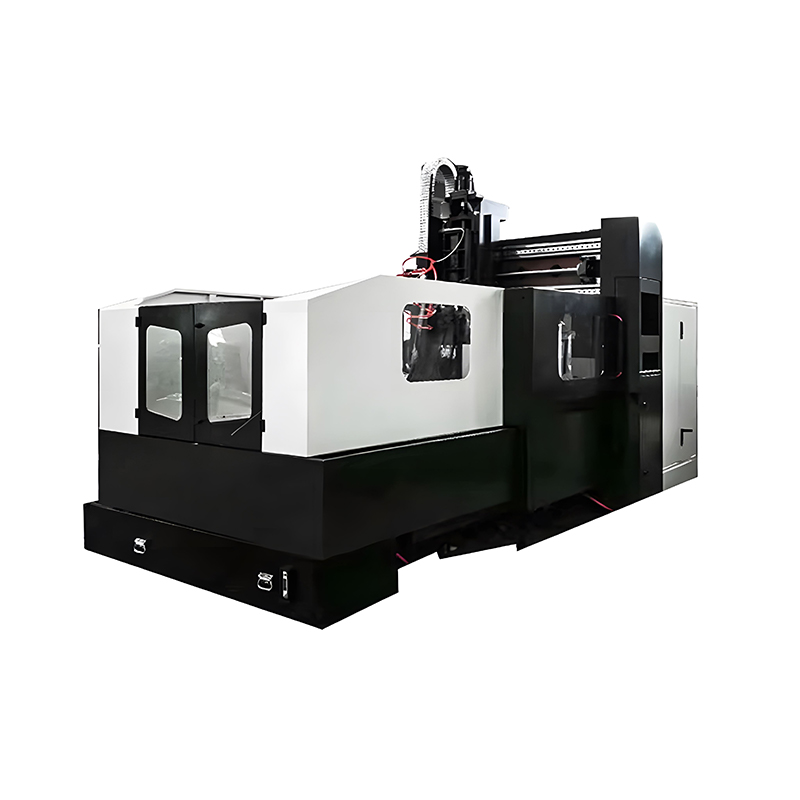
Large steel molds and structural parts transmit heavy cutting forces, so the machine frame must be stiff enough to hold tolerance without vibration. A VMC850L high-speed 3-axis CNC vertical machining center suits small and medium parts with high precision. For wide plates and large mold bases, a gantry machine such as the LM1613 high-precision metal milling gantry CNC machine adds the travel, rigidity, and weight capacity needed to cut large steel and aluminum workpieces without deflection. Shops working with graphite and copper electrodes will find related guidance in the CNC engraving and milling knowledge guide.
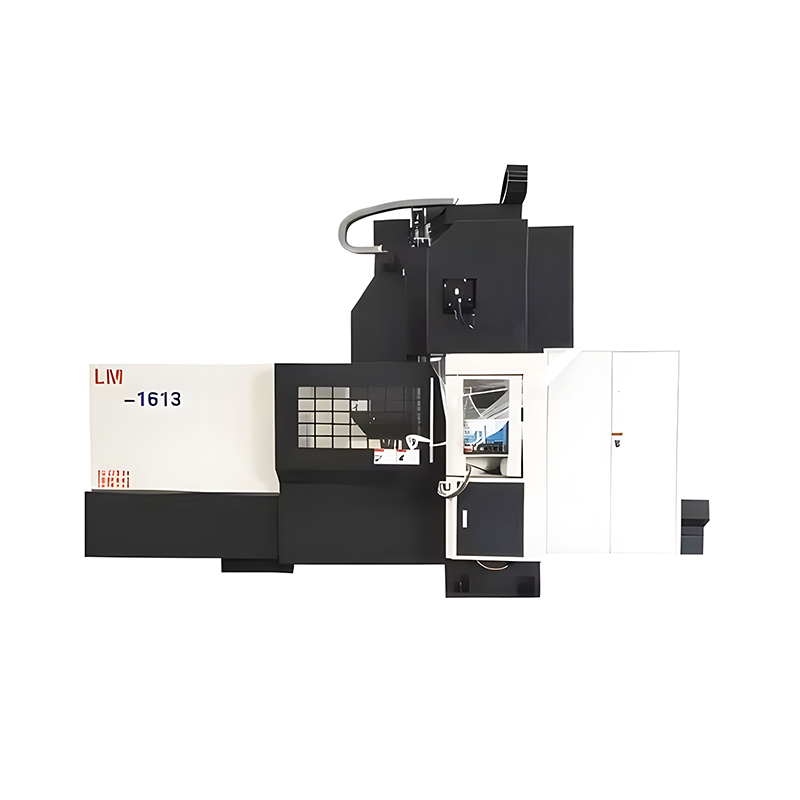 CNC High Speed Gantry Milling MachineThe CNC high-speed g...View Product →
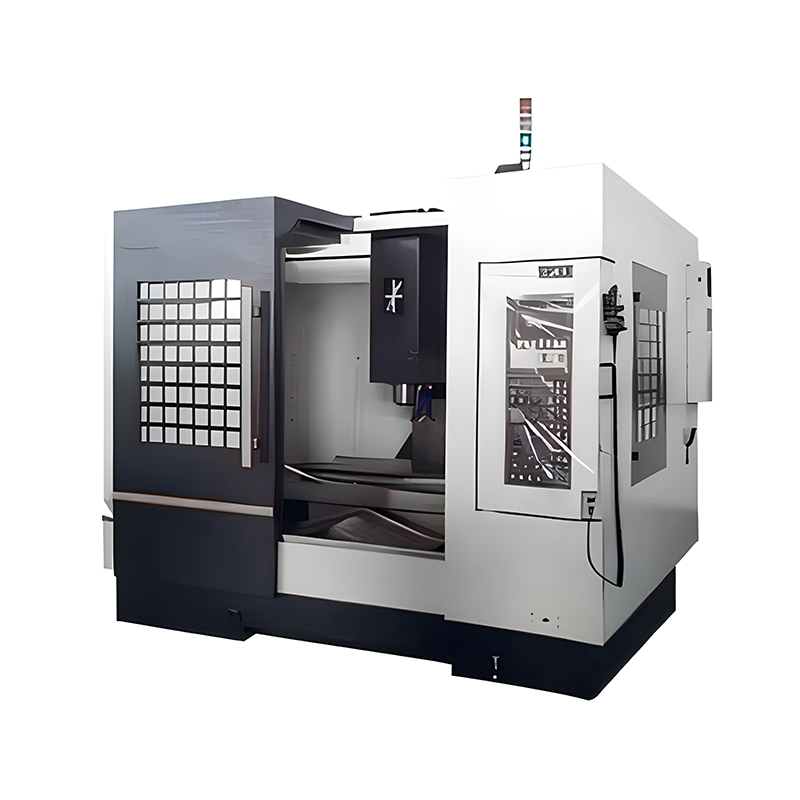 3-Axis, 5-Axis CNC Vertical Machining CenterThe three-axis rail ...View Product →
Matching Metal Properties to the Right Processing Route
In production planning, the practical sequence is clear: define the mechanical requirements, estimate the chemical environment, choose the alloy, then select the process and the machine. The following route map is a useful starting point for typical workshop decisions.
- Aluminum alloys, brass, and low-carbon steel: high-speed milling on a vertical machining center is economical because these metals are relatively soft in the annealed or T6 condition.
- Pre-hardened or fully hardened die steel: once hardness passes the practical milling range, EDM and wire EDM become the reliable finishing methods.
- Large plates, mold bases, and weldments: gantry-type milling machines handle long travels and heavy material removal without losing rigidity.
- Copper and graphite electrodes: engraving and milling machines with high spindle speeds produce fine electrode details with low cutting force.
- Nickel-based superalloys and aerospace materials: multiaxis EDM drilling and electrochemical machining avoid the heat-affected zones and tool breakage that conventional drilling creates in these tough alloys.
For shops that regularly cut large flat components, the rigidity and thermal stability of a gantry configuration make a measurable difference in finished accuracy; the practical reasons are explained in the advantages of high-speed gantry machining.
Metals, Non-Metals, and Metalloids: Side-by-Side Comparison
To understand the properties of metals, it helps to contrast them with non-metals and metalloids. The comparison below is compiled from standard references including Chemistry LibreTexts, BBC Bitesize, and Wikipedia (accessed August 2026).
| Property | Metals | Non-Metals | Metalloids |
|---|---|---|---|
| Electrical conductivity | High | Low, except graphite | Intermediate, semiconducting |
| Thermal conductivity | High | Low | Intermediate |
| Luster | Shiny when polished | Dull or colored | Often semi-lustrous |
| Malleability / ductility | Malleable and ductile | Brittle in solid state | Limited, brittle |
| State at room temperature | Solid, except mercury | Gas, liquid, or brittle solid | Solid |
| Oxide character | Basic | Acidic | Amphoteric |
| Common examples | Iron, aluminum, copper, gold | Oxygen, sulfur, nitrogen, carbon | Silicon, boron, germanium, arsenic |
Frequently Asked Questions About Metal Properties
1. What are the three main categories of metal properties?
The three categories are physical (conductivity, luster, density, melting point, state), mechanical (hardness, strength, ductility, malleability, elasticity, fatigue), and chemical (corrosion resistance, reactivity, alloy formation). Machining decisions require all three groups.
2. Why do metals conduct electricity and heat so well?
Metal atoms release outer electrons into a shared delocalized electron sea. Under an electric field, these electrons drift through the lattice and carry charge; when heated, they transfer kinetic energy quickly from atom to atom. This electron sea model is the standard explanation used in chemistry references such as the LibreTexts library.
3. Is mercury really a metal?
Yes. Mercury is a genuine metal and the only metal that is liquid at standard room temperature, melting at -38.83 degrees Celsius. Gallium melts at 29.76 degrees Celsius, so it liquefies in a warm hand, but it is a solid at standard room temperature.
4. Are all metals hard?
No. Hardness varies widely across the metal family. Lead and tin can be scratched easily, while hardened tool steels reach 55-62 HRC and tungsten carbide tooling is far harder. Hardness is a property of a specific alloy and its heat treatment, not a universal condition of every metal.
5. What is the difference between ductility and malleability?
Ductility is the ability to deform under tension and be drawn into wire. Malleability is the ability to deform under compression and be hammered or rolled into sheets. Copper is both ductile and malleable; lead is malleable but only weakly ductile.
6. Why does stainless steel resist rusting while carbon steel rusts?
Stainless steel contains at least 10.5 percent chromium, which forms a thin, self-healing chromium oxide layer that blocks oxygen and moisture. Carbon steel has no such protective layer, so iron oxide forms and flakes off continuously. This difference makes stainless steel the standard choice for corrosive environments.
7. How do metal properties affect CNC machining decisions?
Hardness determines whether conventional milling or EDM is the correct process; thermal conductivity affects cutting speed and coolant strategy; ductility influences chip control and tool geometry; and electrical conductivity decides whether spark erosion or electrochemical machining is possible at all.
Turning Metal Properties into Production Reality
If you are evaluating a new metal for a part or a new machine for your workshop, start with the same exercise: fix the mechanical requirements, define the chemical environment, confirm the dimensional tolerances, and then match the processing route. The most common causes of scrapped parts, including premature tool wear, poor surface finish, distortion, and corrosion, all trace back to a mismatch between metal properties and the machining process.
When the material is well understood, the correct machine choice follows naturally. Hardened die steel points to EDM, aluminum and structural steel point to high-speed vertical or gantry milling, and copper or graphite electrodes point to engraving machines with high spindle speeds. Getting that sequence right is what separates a stable production process from a constant stream of rework.
If you need support translating these metal properties into cutting parameters, machine specifications, or fixture concepts, talk directly with our engineering team. Matching the metal to the machine is the fastest way to reduce tooling cost, improve surface quality, and shorten delivery times.
PREV:What Does CNC Mean in Manufacturing? | CNC Meaning, Machines, and Uses
NEXT:What Is a CNC Milling Machine? Types, Uses & Gantry Guide
NEXT:What Is a CNC Milling Machine? Types, Uses & Gantry Guide
Interested in cooperation or have questions?
News
-
-
An EDM machine, also called an electrical discharge machining machine, uses controlled sparks to erode electrically conductive metal without direct contact between the tool and the workpiece. The workpiece is submerged in a diele...
READ MORE -
Cutting Tools Are Used to Convert Raw Material into Functional Parts Cutting tools are the hardened, wear-resistant elements that shear away unwanted material from a workpiece to create a finished component. They are applied in e...
READ MORE -
A CNC machine can cut, drill, mill, turn, burn, and shape almost any conductive or composite material with an accuracy that manual machines rarely match. The real question is not what a CNC machine can do in theory, but what a sp...
READ MORE
Related Products


-
Factory Address
Zhaxi Township Industrial Park, Nantong City, Jiangsu Province, China (west of Huaneng Power Plant)
-
Phone
+86-13615235768
+86-15950816906
-
Fax
+86-513-85632766
-
Email
pan.director@sunwayer.com
Stay Connected
lf you can't find the answer you're looking for, chat with our friendly team.
Stay Connected
Copyright © Nantong Sunway Science and Technology Development Co., Ltd. All Rights Reserved.
China CNC Equipment Manufacturers
Custom CNC Equipment Factory
