


 русский
 Español
Heat treatment is a controlled thermal process that changes the mechanical properties of metal by heating it to a specific temperature, holding it there, and then cooling it at a rate chosen to produce a desired internal structur...
READ MORE
What Does CNC Mean? A Complete Guide to CNC Equipment
Content
- 1 What Does CNC Mean?
- 2 How CNC Equipment Actually Works
- 3 Major Types of CNC Equipment
- 4 Industries That Depend on CNC Equipment
- 5 Key Advantages of CNC Equipment Over Manual Machining
- 6 Understanding CNC Axes and What They Mean for Machine Capability
- 7 G-Code: The Language Behind CNC Equipment
- 8 CNC Equipment vs. Other Manufacturing Technologies
- 9 Common Materials Processed by CNC Equipment
- 10 The Cost of CNC Equipment: What to Expect
- 11 CNC Equipment Maintenance and Uptime Considerations
- 12 The Future of CNC Equipment: Automation, AI, and Smart Manufacturing
What Does CNC Mean?
CNC stands for Computer Numerical Control. It refers to the automated control of machining tools and manufacturing equipment through pre-programmed computer software. Instead of a human operator manually guiding a drill, lathe, or mill, a CNC system reads a coded program and directs the machine's movements with extreme precision — often to tolerances as tight as ±0.001 inches (0.025 mm).
The term is most closely associated with CNC equipment used in manufacturing, metalworking, woodworking, and fabrication. When someone asks "what does CNC mean," the answer almost always connects back to this core idea: a computer tells a machine exactly what to do, how fast to do it, and in which direction to move — removing the inconsistency of manual operation entirely.
CNC technology emerged in the late 1940s and early 1950s, developed initially by the U.S. Air Force and MIT. By the 1970s, it began replacing older NC (Numerical Control) systems that relied on punched tape. Today, CNC equipment is the backbone of modern precision manufacturing across virtually every industry sector.
How CNC Equipment Actually Works
Understanding what CNC means requires a basic grasp of how the system operates from input to output. The process involves several clearly defined stages:
Step 1 — CAD Design
An engineer or designer creates a 2D or 3D model of the part using Computer-Aided Design (CAD) software such as AutoCAD, SolidWorks, or Fusion 360. This model defines the geometry, dimensions, and tolerances of the finished piece.
Step 2 — CAM Programming
The CAD file is imported into Computer-Aided Manufacturing (CAM) software, which translates the design into toolpaths — the specific routes the cutting tool will follow. The CAM software then generates a G-code file, which is the language CNC equipment understands.
Step 3 — G-Code Execution
The G-code is loaded into the CNC controller — a dedicated computer built into the machine. This controller interprets every line of code and sends precise electrical signals to the machine's servo motors or stepper motors, controlling movement along multiple axes (X, Y, Z, and sometimes A, B, C for rotational movement).
Step 4 — Machining
The machine executes the programmed cuts, drilling operations, or movements automatically and repeatably. A part that takes a skilled manual machinist 45 minutes to produce can often be completed in 8–12 minutes on CNC equipment — and every subsequent part produced will be virtually identical to the first.
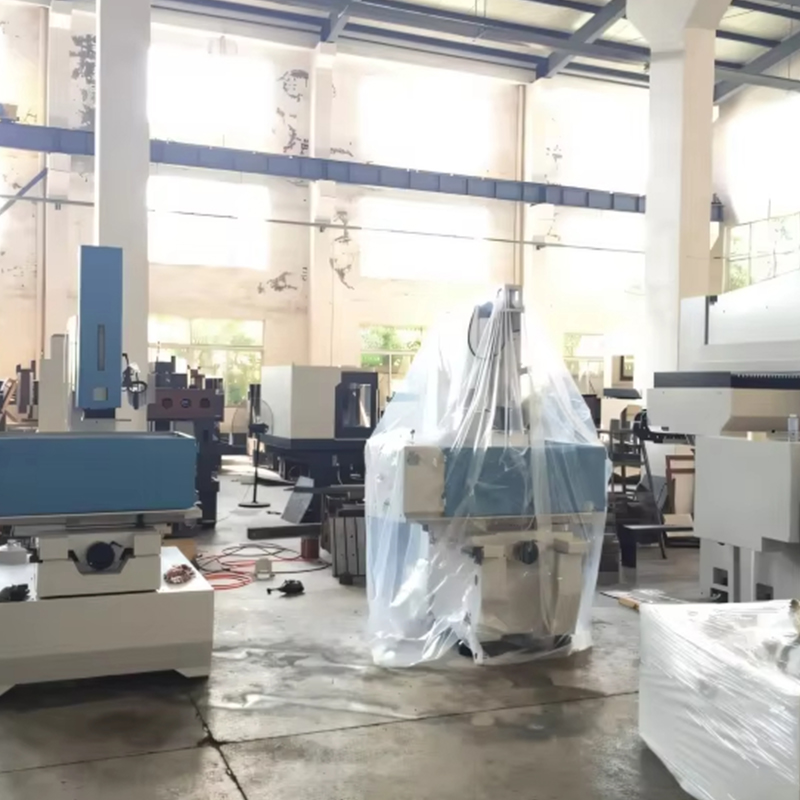
Major Types of CNC Equipment
CNC equipment is not a single machine. It is a broad category encompassing dozens of machine types, each designed for specific operations. Below are the most widely used categories in industrial settings:
CNC Milling Machines
CNC mills use rotating cutting tools to remove material from a stationary workpiece. They are capable of producing complex 3D shapes, slots, holes, and contours. A standard 3-axis CNC mill moves along the X, Y, and Z axes, while a 5-axis mill can also rotate the workpiece or tool head, enabling the machining of highly complex geometries in a single setup. The aerospace and medical device industries rely heavily on 5-axis CNC milling equipment.
CNC Lathes and Turning Centers
CNC lathes rotate the workpiece while a stationary cutting tool shapes it. They excel at producing cylindrical or conical parts such as shafts, bolts, bushings, and nozzles. Modern CNC turning centers often include live tooling — allowing milling, drilling, and threading operations in the same machine without repositioning the part.
CNC Plasma and Laser Cutters
These machines cut flat sheet materials using a plasma torch or laser beam guided by CNC motion systems. Laser cutters can achieve cut widths (kerfs) as narrow as 0.1 mm, making them ideal for intricate parts in electronics, signage, and sheet metal fabrication. Plasma cutting is faster and more cost-effective for thicker steel plate, often used in construction and heavy fabrication.
CNC Routers
CNC routers operate similarly to mills but are generally designed for softer materials: wood, foam, plastic, and composites. They are widely used in furniture manufacturing, cabinetry, sign-making, and prototype production. A mid-range CNC router can process panels at speeds of 400–800 inches per minute, compared to under 60 inches per minute for manual routing.
CNC EDM Machines
Electrical Discharge Machining (EDM) uses controlled electrical sparks to erode material from a workpiece. CNC EDM equipment is used for hardened metals that are difficult or impossible to cut with conventional tools — such as tool steel molds, turbine blade cooling holes, and micro-precision components. Wire EDM machines can cut slots as narrow as 0.02 mm.
CNC Grinders
CNC grinding machines use abrasive wheels to achieve very fine surface finishes and extremely tight dimensional tolerances. Surface grinders, cylindrical grinders, and centerless grinders are all available in CNC configurations. They are commonly used as a finishing step for parts that have already been rough-machined on a mill or lathe.
| CNC Equipment Type | Primary Operation | Common Materials | Typical Tolerance |
|---|---|---|---|
| CNC Mill | Cutting, contouring | Metal, plastic, composites | ±0.001–0.005 in |
| CNC Lathe | Turning, threading | Metal, plastic | ±0.001–0.003 in |
| CNC Laser Cutter | Cutting, engraving | Sheet metal, acrylic, wood | ±0.003–0.010 in |
| CNC Router | Routing, profiling | Wood, foam, soft plastic | ±0.005–0.015 in |
| CNC EDM | Spark erosion | Hardened steel, titanium | ±0.0002–0.001 in |
Industries That Depend on CNC Equipment
CNC equipment is not limited to one sector. Its versatility and precision make it indispensable across a remarkably wide range of industries. Here is how different sectors put CNC technology to work:
Aerospace and Defense
Aircraft components demand tolerances that are nearly impossible to achieve with manual machining. CNC equipment produces turbine blades, landing gear parts, structural airframe sections, and engine housings from materials like titanium, Inconel, and high-strength aluminum. A single turbine blade may require over 40 separate machining operations, many of which are performed on 5-axis CNC milling centers.
Automotive Manufacturing
Engine blocks, cylinder heads, transmission housings, brake rotors, and suspension components are all machined using CNC equipment. Automotive production lines often run CNC machines 24 hours a day, 7 days a week, with robotic part-loading systems to eliminate downtime. A typical automotive engine block goes through 12–15 CNC machining operations before final assembly.
Medical Device Manufacturing
Implants, surgical instruments, orthopedic devices, and diagnostic equipment components require exceptional precision and biocompatible materials. CNC equipment machines titanium hip implants, stainless steel surgical tools, and PEEK spinal fusion devices. The FDA's regulatory requirements demand documented, repeatable manufacturing processes — which CNC systems inherently provide.
Electronics and Semiconductor
CNC equipment drills the microscopic holes in printed circuit boards (PCBs), machines aluminum heat sinks for processors, and produces the enclosures and mounting hardware for electronic devices. CNC drilling machines for PCBs can drill at speeds exceeding 150,000 RPM, creating holes as small as 0.1 mm in diameter.
Oil and Gas
Valves, flanges, pipe fittings, wellhead components, and drilling equipment parts are all produced on CNC equipment built for heavy-duty applications. Materials commonly machined include duplex stainless steel, carbon steel, and specialty alloys that must withstand high-pressure, high-temperature environments.
Woodworking and Furniture
CNC routers have transformed furniture manufacturing. Cabinet shops that once required a full crew to cut and shape panels now process the same volume with one or two operators running CNC equipment. Nested-based machining allows a 4×8 foot sheet of plywood to be cut into multiple cabinet parts in a single automated cycle, dramatically reducing material waste and labor costs.
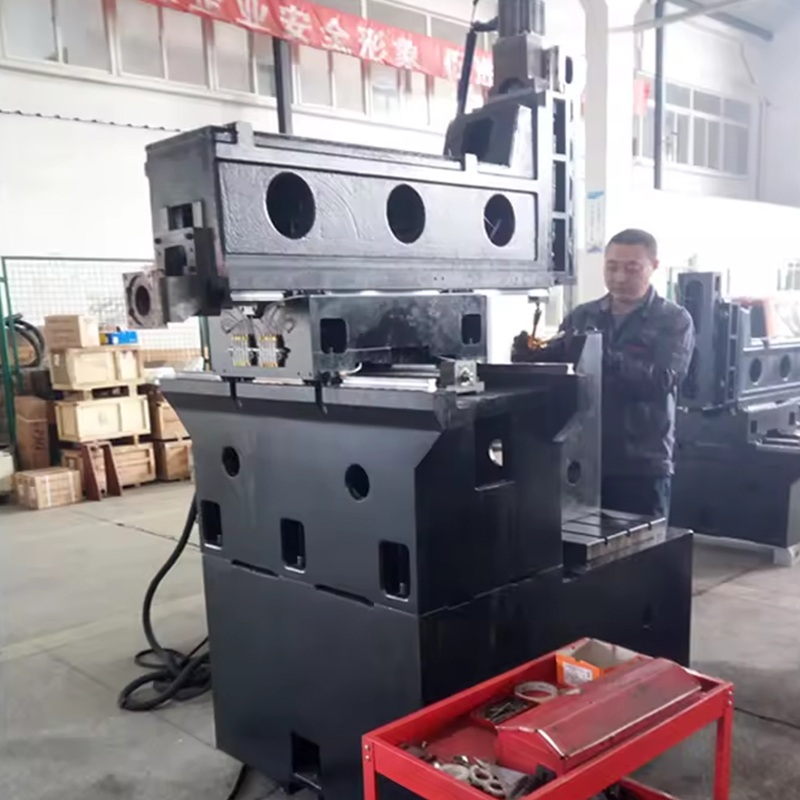
Key Advantages of CNC Equipment Over Manual Machining
The widespread adoption of CNC equipment is not the result of trends or marketing. It is driven by measurable, practical advantages that directly affect production costs, quality, and throughput.
- Repeatability: A CNC machine can produce the same part to the same specification thousands of times without variation. Skilled manual machinists typically achieve repeatability of ±0.005 inches under ideal conditions. CNC equipment routinely holds ±0.001 inches across an entire production run.
- Speed: CNC equipment processes material significantly faster than manual methods. Automated tool changes, continuous operation, and optimized feed rates collectively reduce cycle times by 50–80% compared to manual machining for equivalent parts.
- Reduced Labor Dependency: One CNC operator can monitor multiple machines simultaneously. In a well-organized shop, a single operator may run 3–6 CNC machines at once, whereas manual machining requires one skilled operator per machine.
- Complexity: CNC equipment can produce shapes that are physically impossible to achieve with manual machining — such as internal undercuts, compound curves, and complex 3D surface contours.
- Reduced Scrap Rates: Because CNC machines follow exact programmed paths, scrap rates drop considerably. Many high-volume CNC operations run with scrap rates below 1%, compared to 5–15% for manual operations on complex parts.
- 24/7 Operation: CNC equipment can run lights-out — unattended, overnight, through weekends — as long as the workholding and tooling are correctly set up. Manual machining requires human presence at all times.
- Easier Design Changes: Modifying a part design means updating the CAD/CAM file and reposting the G-code — a process that can take minutes. Modifying a manual fixture or jig may take hours or days.
Understanding CNC Axes and What They Mean for Machine Capability
The number of axes a piece of CNC equipment controls directly determines what kind of parts it can produce. This is one of the most important factors when selecting CNC equipment for a specific application.
3-Axis CNC Equipment
The cutting tool moves along the X, Y, and Z axes (left-right, front-back, up-down). This configuration handles the majority of machining work — flat surfaces, pockets, holes, and simple contours. Most job shops and production facilities use 3-axis CNC equipment as their workhorse.
4-Axis CNC Equipment
A fourth rotational axis (typically the A-axis, rotating around the X-axis) allows the workpiece to be indexed or continuously rotated during cutting. This enables features on multiple sides of a part to be machined without manual repositioning — improving accuracy and reducing setup time.
5-Axis CNC Equipment
Five-axis CNC equipment adds two rotational axes, allowing the cutting tool to approach the workpiece from virtually any angle. Complex aerospace structures, medical implants, and mold cavities that previously required multiple machine setups can now be completed in a single operation. This reduces cumulative positioning errors and dramatically cuts total production time. A 5-axis machining center can cost anywhere from $200,000 to over $1 million depending on the work envelope and spindle specifications.
Multi-Axis Turning Centers
Some CNC turning equipment features multiple turrets, dual spindles, and live tooling — effectively combining turning and milling in one machine. These Swiss-type CNC machines, for example, can machine parts as small as 1 mm in diameter with sub-micron precision, used in watchmaking, dental instruments, and electronics connectors.
G-Code: The Language Behind CNC Equipment
G-code (also called RS-274) is the standardized programming language that instructs CNC equipment on how to move, what speed to use, and which operations to perform. Each line of G-code corresponds to a specific machine action.
Common G-code commands include:
- G00 — Rapid positioning (move to location without cutting)
- G01 — Linear interpolation (straight-line cutting move)
- G02 / G03 — Circular interpolation (curved cutting moves, clockwise and counterclockwise)
- G28 — Return to machine home position
- M03 / M04 — Spindle on (clockwise / counterclockwise)
- M06 — Tool change
Modern CAM software generates G-code automatically, so most CNC operators do not need to write code by hand. However, understanding G-code is valuable for troubleshooting, making minor edits at the machine, and verifying that programs are correct before running expensive materials.
M-codes (miscellaneous functions) work alongside G-codes to control auxiliary functions like coolant flow, spindle direction, tool changes, and program stops. Together, G-code and M-code make up a complete CNC program.
CNC Equipment vs. Other Manufacturing Technologies
CNC machining is often compared to other manufacturing methods. The right choice depends on part complexity, volume, material, and required tolerances.
| Technology | Best For | Typical Tolerance | Material Range | Setup Cost |
|---|---|---|---|---|
| CNC Machining | Precision parts, low-to-mid volume | ±0.001–0.005 in | Very wide (metals, plastics, composites) | Moderate |
| 3D Printing (FDM) | Prototypes, complex geometry | ±0.010–0.020 in | Plastics, some metals (SLS/DMLS) | Low |
| Injection Molding | High-volume plastic parts | ±0.003–0.010 in | Thermoplastics primarily | Very High (tooling) |
| Die Casting | High-volume metal parts | ±0.005–0.015 in | Aluminum, zinc, magnesium | High (tooling) |
| Manual Machining | One-off repairs, simple shapes | ±0.005–0.015 in | Metals, plastics | Low |
CNC equipment consistently outperforms alternatives when precision, material flexibility, and moderate-to-low production volumes are the primary requirements. For very high-volume plastic or metal parts, injection molding or die casting eventually becomes more economical — but CNC equipment is often still used to produce the molds and dies those processes require.
Common Materials Processed by CNC Equipment
One of CNC equipment's major advantages is its ability to work with a vast range of materials. The correct tooling, speeds, and feeds vary significantly depending on the material being machined.
Metals
- Aluminum (6061, 7075): Fast to machine, excellent strength-to-weight ratio, widely used in aerospace and consumer electronics. Spindle speeds of 8,000–20,000 RPM are common for aluminum on CNC mills.
- Stainless Steel (304, 316, 17-4PH): Corrosion resistant, used in medical, food processing, and marine applications. More challenging to machine than aluminum — requires slower feeds, flood coolant, and rigid fixturing.
- Titanium (Grade 5 / Ti-6Al-4V): Exceptional strength and biocompatibility, used extensively in aerospace and medical implants. Difficult to machine due to heat buildup; requires sharp carbide tooling and aggressive coolant strategies.
- Carbon Steel and Tool Steel: The backbone of tooling, mold making, and heavy machinery components. CNC equipment machines these materials routinely, often followed by heat treatment and grinding.
- Inconel and Superalloys: Used in jet engines and high-temperature applications. Among the most difficult materials to machine — tool wear is rapid, and specialized carbide inserts with coatings like TiAlN or AlTiN are required.
Plastics and Polymers
- Acetal (Delrin): Excellent machinability, low friction, used for gears, bushings, and wear components.
- Nylon and PEEK: High-performance engineering plastics used in medical devices, aerospace brackets, and chemical processing equipment.
- UHMW Polyethylene: Used in food processing equipment, conveyor components, and marine applications due to its impact resistance and chemical compatibility.
Composites and Other Materials
- Carbon Fiber Reinforced Polymer (CFRP): Used in aerospace, motorsport, and sporting goods. Machining CFRP requires diamond-coated or carbide tooling and effective dust extraction.
- Wood and MDF: Processed on CNC routers for furniture, cabinetry, signage, and architectural millwork.
- Foam: CNC-machined foam is used for packaging inserts, prop-making, and architectural models.
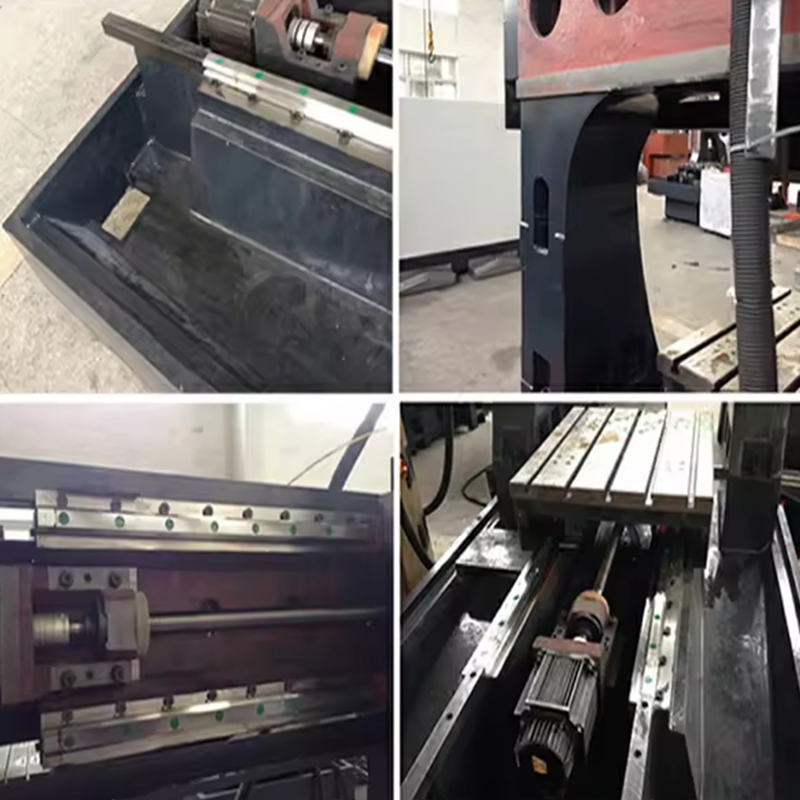
The Cost of CNC Equipment: What to Expect
CNC equipment spans a very wide price range. The cost depends on the machine type, work envelope, number of axes, spindle power, controller quality, and brand. Below is a general overview of what buyers can expect to pay at different levels:
- Entry-level CNC routers (hobby/small shop): $3,000–$15,000. Suitable for wood, plastics, and soft metals. Limited rigidity and accuracy compared to industrial-grade equipment.
- Mid-range CNC mills and lathes: $30,000–$150,000. The workhorses of small-to-mid-size machine shops. Capable of precision metal machining with reliable repeatability.
- Full-size machining centers (3-axis): $80,000–$400,000. Production-grade equipment used in high-volume manufacturing environments.
- 5-axis machining centers: $200,000–$1,500,000+. Used for complex aerospace and medical parts where setup time reduction justifies the capital investment.
- CNC laser cutters (industrial): $50,000–$500,000+. Fiber laser systems for metal cutting are at the higher end; CO₂ systems for non-metals are more accessible.
Beyond the machine purchase price, buyers should budget for tooling (cutting tools, tool holders, inserts), workholding fixtures, CAD/CAM software licenses, installation, and operator training. Total first-year costs often run 15–30% above the machine's base price.
CNC Equipment Maintenance and Uptime Considerations
CNC equipment delivers its value only when it is running. Unplanned downtime is expensive — a production CNC machine that goes offline unexpectedly can cost a shop thousands of dollars per hour in lost capacity. Preventive maintenance is therefore not optional; it is a core part of operating CNC equipment profitably.
Daily Maintenance Tasks
- Check coolant level and concentration (typically 6–10% for water-soluble coolants)
- Inspect and clean chip conveyors and chip trays
- Verify air pressure supply to pneumatic components
- Check for unusual vibrations or sounds during warm-up
Weekly and Monthly Tasks
- Lubricate linear guideways and ball screws per manufacturer schedule
- Inspect spindle taper for wear or damage
- Check hydraulic and lube oil levels
- Verify axis positioning accuracy with reference gauges
- Clean electrical cabinet filters
Leading CNC machine manufacturers such as Mazak, DMG Mori, Haas, and Fanuc provide detailed maintenance schedules in their documentation. Following these schedules extends machine life significantly — well-maintained CNC equipment commonly operates productively for 15–25 years.
The Future of CNC Equipment: Automation, AI, and Smart Manufacturing
CNC equipment continues to evolve rapidly. The integration of robotics, sensor technology, artificial intelligence, and the Industrial Internet of Things (IIoT) is reshaping what CNC machines can do and how they are managed.
Robotic Part Loading and Unloading
Collaborative robots (cobots) and industrial robots are increasingly paired with CNC equipment to automate the loading and unloading of raw stock and finished parts. A single robot can service multiple CNC machines, enabling true lights-out manufacturing where production continues overnight without human operators. Companies like FANUC, Universal Robots, and Yaskawa supply robotic systems specifically designed to integrate with CNC equipment.
In-Process Measurement and Adaptive Control
Modern CNC equipment increasingly incorporates on-machine probing and measurement systems. These probes measure part dimensions in real time during machining and can automatically adjust tool offsets to compensate for tool wear or thermal expansion. This closes the quality loop without removing the part to an external inspection station — reducing both cycle time and inspection labor.
Digital Twins and Simulation
Digital twin technology creates a virtual replica of a CNC machine and its operating environment. Engineers can simulate machining operations, detect collisions, and optimize toolpaths in the digital twin before the physical machine is ever run — eliminating costly crashes and reducing programming time. Several CNC controller manufacturers now offer digital twin capabilities integrated directly into their software ecosystems.
AI-Driven Process Optimization
Machine learning algorithms are beginning to analyze data streams from CNC equipment — spindle load, vibration, temperature, acoustic signals — to predict tool wear, optimize cutting parameters in real time, and flag developing mechanical issues before they cause failures. Early adopters in high-volume aerospace and automotive environments report tool life improvements of 20–40% and reductions in unplanned downtime through AI-assisted monitoring systems.
The global CNC machine tool market was valued at approximately $86 billion in 2023 and is projected to continue growing as manufacturing industries invest in automation and precision production capabilities. CNC equipment is not a static technology — it is actively evolving into a smarter, more connected, and more autonomous form of manufacturing infrastructure.
PREV:What Is G-Code in a CNC Machine? Commands, Types & How It Works
NEXT:What Is Custom Manufacturing? Processes, Benefits & CNC Equipment
NEXT:What Is Custom Manufacturing? Processes, Benefits & CNC Equipment
Interested in cooperation or have questions?
News
-
-
An EDM machine, also called an electrical discharge machining machine, uses controlled sparks to erode electrically conductive metal without direct contact between the tool and the workpiece. The workpiece is submerged in a diele...
READ MORE -
Cutting Tools Are Used to Convert Raw Material into Functional Parts Cutting tools are the hardened, wear-resistant elements that shear away unwanted material from a workpiece to create a finished component. They are applied in e...
READ MORE -
A CNC machine can cut, drill, mill, turn, burn, and shape almost any conductive or composite material with an accuracy that manual machines rarely match. The real question is not what a CNC machine can do in theory, but what a sp...
READ MORE
Related Products

-
Factory Address
Zhaxi Township Industrial Park, Nantong City, Jiangsu Province, China (west of Huaneng Power Plant)
-
Phone
+86-13615235768
+86-15950816906
-
Fax
+86-513-85632766
-
Email
pan.director@sunwayer.com
Stay Connected
lf you can't find the answer you're looking for, chat with our friendly team.
Stay Connected
Copyright © Nantong Sunway Science and Technology Development Co., Ltd. All Rights Reserved.
China CNC Equipment Manufacturers
Custom CNC Equipment Factory
