


 русский
 Español
Heat treatment is a controlled thermal process that changes the mechanical properties of metal by heating it to a specific temperature, holding it there, and then cooling it at a rate chosen to produce a desired internal structur...
READ MORE
What is the lifespan of a cnc machine?
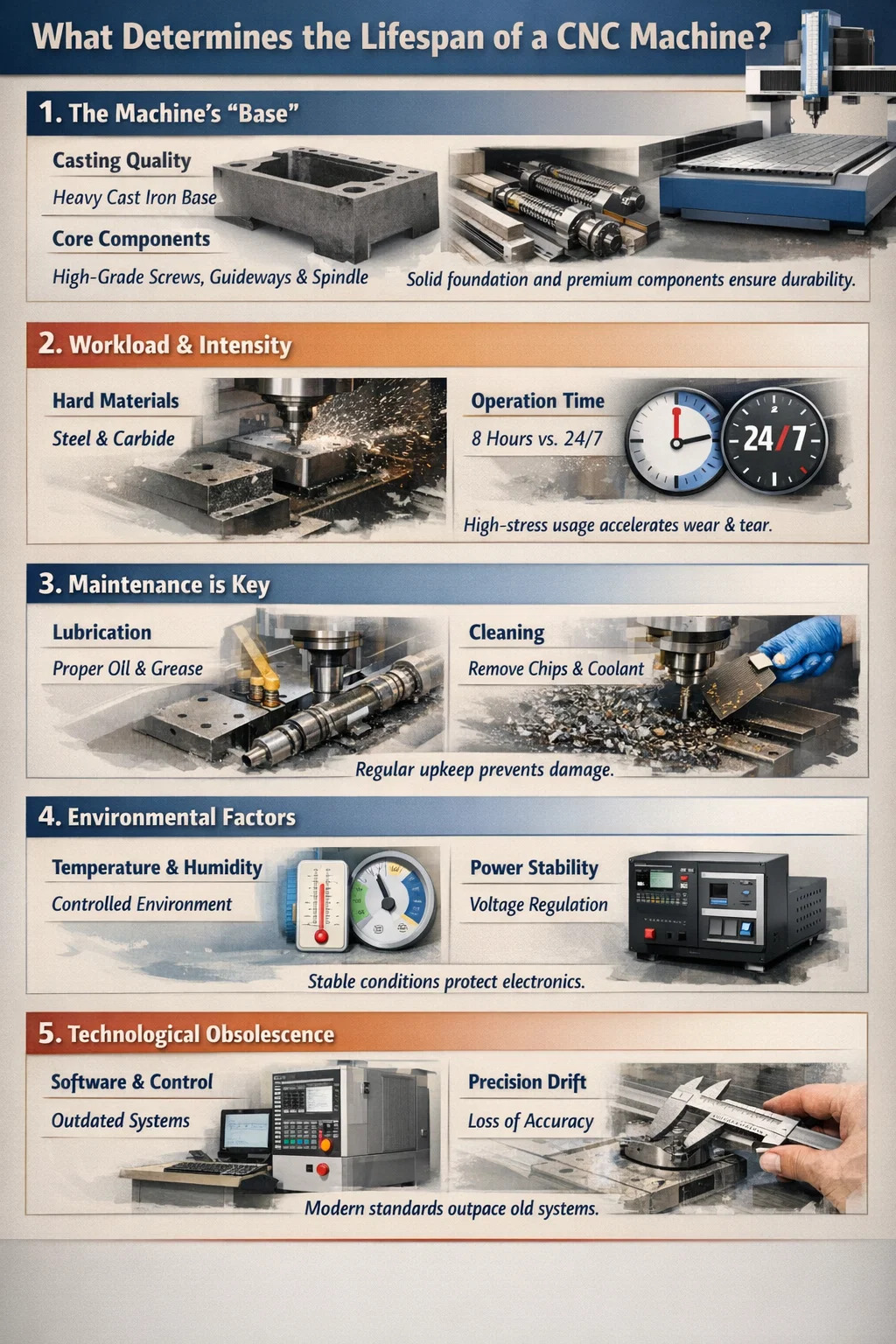
For many manufacturers, a CNC machine is not just a tool, but an asset with amortization costs over many years. Its lifespan isn't a fixed date, but rather depends on how you "treat" it.
Here are some key dimensions that determine the lifespan of a CNC machine:
1. The Machine's "Base" (Inherent Characteristics)
Casting Quality: Machines with beds made of heavy-duty cast iron are inherently more durable than those welded from thin steel plates. Cast iron not only absorbs vibrations but also deforms very little over time.
Core Components: The grade of the lead screw, guideways, and spindle determines the machine's fatigue limit. High-quality components maintain their initial accuracy even after millions of reciprocating cycles.
2. Workload and Intensity (Usage Habits)
Machining Materials: If you use it all day to cut carbide or high-hardness steel, the impact and wear on the machine will obviously be much greater than when machining wood or aluminum.
Operating Time: Machines that operate for only 8 hours a day typically have a much longer lifespan than machines that run 24/7 in factories. Prolonged full-load or even overload operation accelerates the aging of electronic components and mechanical parts.
3. Maintenance is Key to Longevity
Lubrication System: This is the lifeblood of a CNC machine. Proper lubrication minimizes friction between metal parts. Even a few hours of interrupted lubrication can cause permanent damage to precision tracks.
Cleaning: Metal shavings and coolant are corrosive. If they accumulate in hard-to-reach areas, they can erode seals and even seep into the motor. Developing a habit of cleaning before the end of each workday can extend the machine's lifespan by several years.
4. Environmental and Climatic Influences
Temperature and Humidity Control: Precision CNC machines are highly sensitive to temperature. Sudden temperature changes cause metal to expand and contract, affecting precision; excessive humidity can cause electronic circuit boards to short-circuit or rust.
Power Stability: Frequent voltage fluctuations or sudden power outages are killers for electronic control systems. Installing a voltage regulator can effectively protect the machine's "brain."
5. Technological "Opposition" Rather Than "Breakdown"
Software and Control: Sometimes the mechanical parts of a machine are still functional, but its control system is no longer compatible with new design software, or replacement electronic components are unavailable.
Precision Degradation: After a long period of use, a machine may still operate, but the products it produces may no longer be as precise. For jobs requiring extreme precision, it may have reached the end of its lifespan, but for rough machining, it might still be able to operate for another ten years.
Interested in cooperation or have questions?
News
-
-
An EDM machine, also called an electrical discharge machining machine, uses controlled sparks to erode electrically conductive metal without direct contact between the tool and the workpiece. The workpiece is submerged in a diele...
READ MORE -
Cutting Tools Are Used to Convert Raw Material into Functional Parts Cutting tools are the hardened, wear-resistant elements that shear away unwanted material from a workpiece to create a finished component. They are applied in e...
READ MORE -
A CNC machine can cut, drill, mill, turn, burn, and shape almost any conductive or composite material with an accuracy that manual machines rarely match. The real question is not what a CNC machine can do in theory, but what a sp...
READ MORE
Related Products
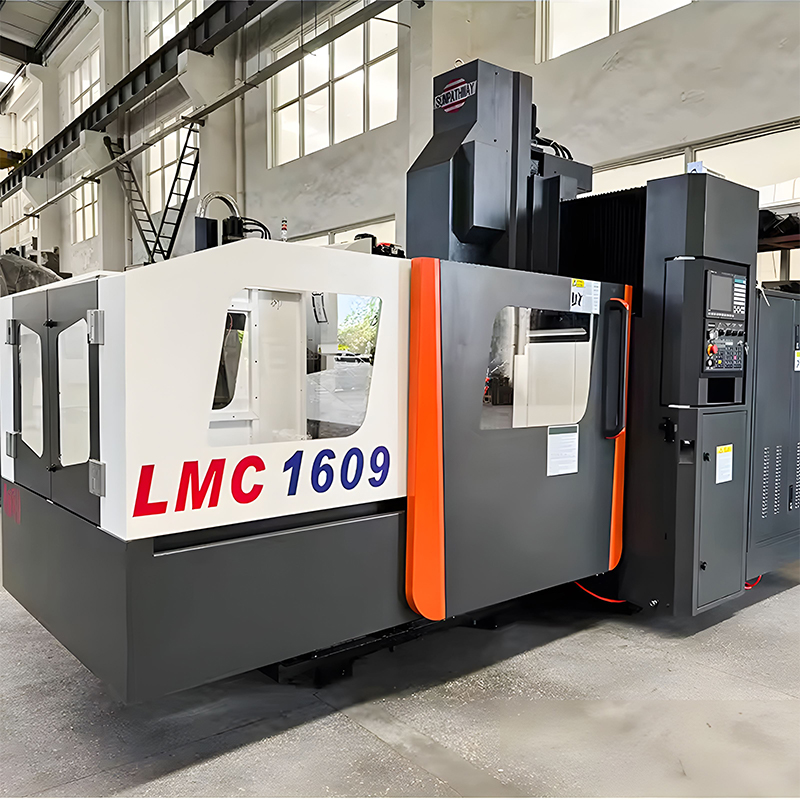
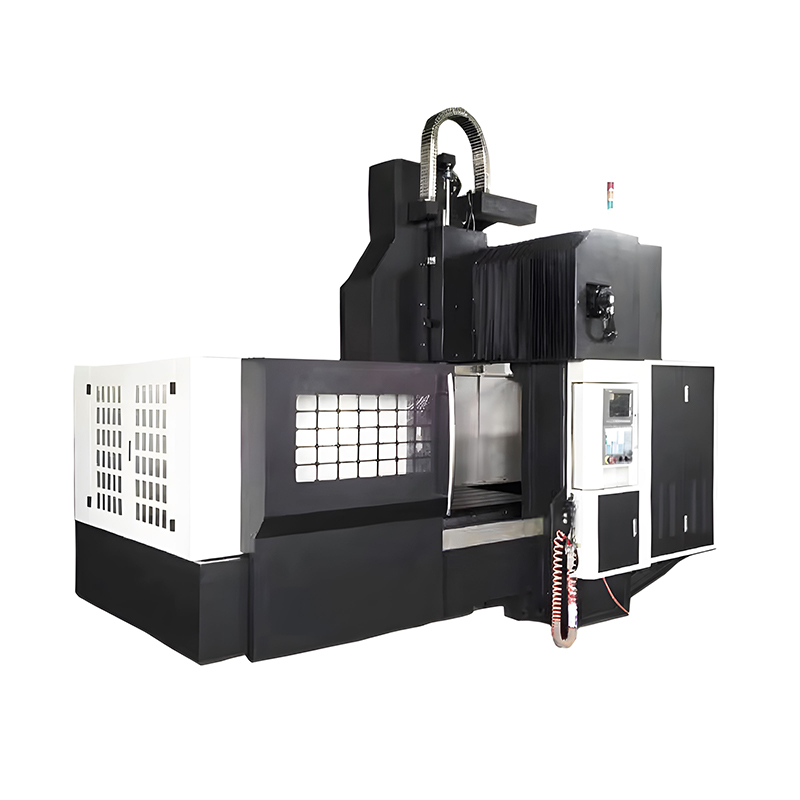
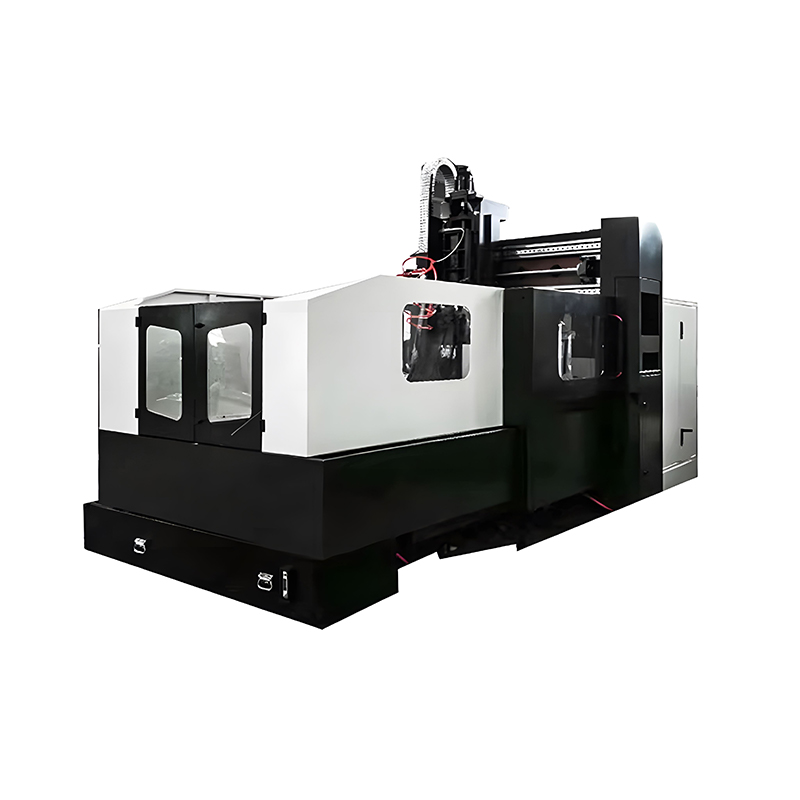

-
Factory Address
Zhaxi Township Industrial Park, Nantong City, Jiangsu Province, China (west of Huaneng Power Plant)
-
Phone
+86-13615235768
+86-15950816906
-
Fax
+86-513-85632766
-
Email
pan.director@sunwayer.com
Stay Connected
lf you can't find the answer you're looking for, chat with our friendly team.
Stay Connected
Copyright © Nantong Sunway Science and Technology Development Co., Ltd. All Rights Reserved.
China CNC Equipment Manufacturers
Custom CNC Equipment Factory
